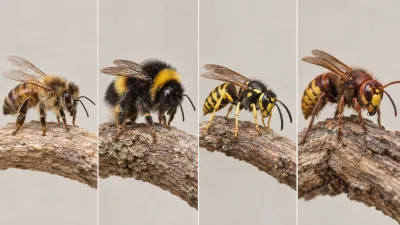
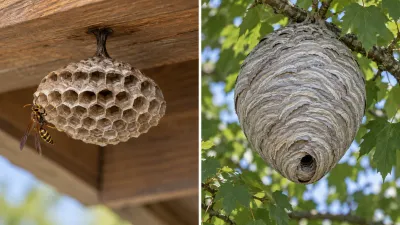
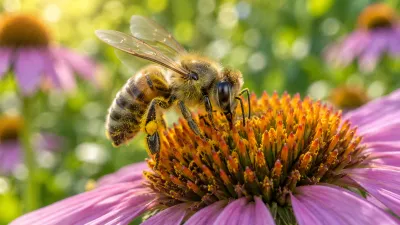
Urban Beekeeping: Rooftop, Balcony & Backyard Guide
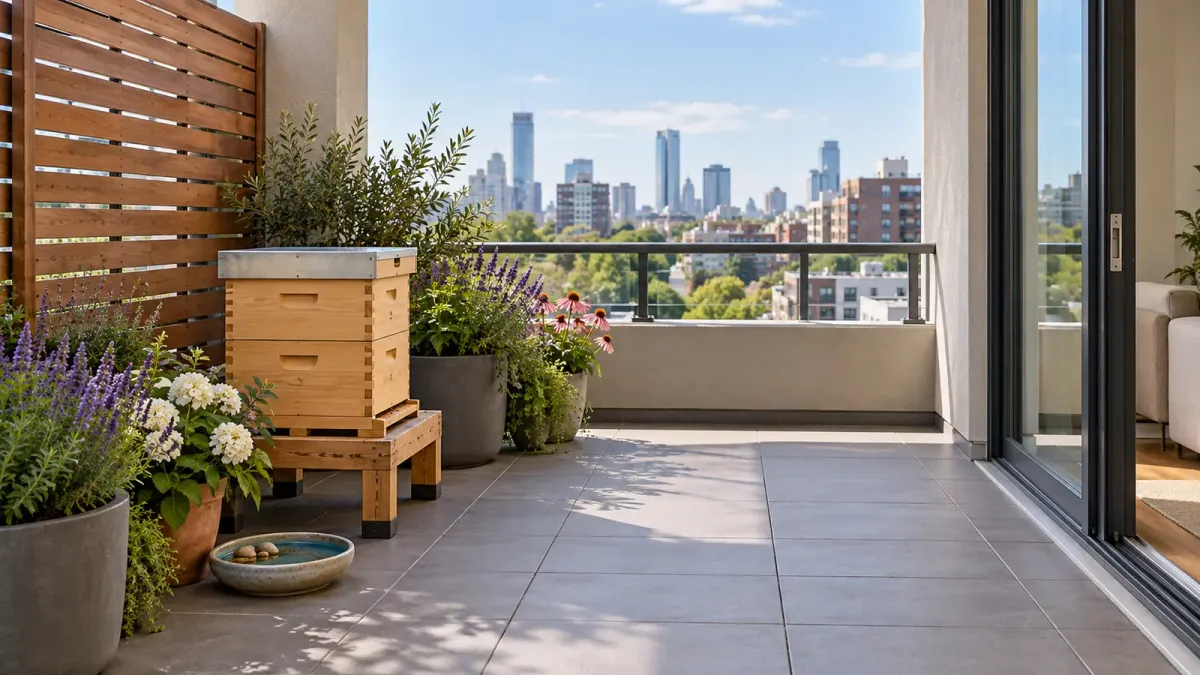
Urban beekeeping means managing honey bee colonies in a densely populated place. It can work on suitable backyards and some rooftops, but success depends less on city size than on legal permission, safe flight paths, reliable water, considerate neighbors, and disciplined control of swarms, Varroa mites, food stores, and colony temperament.
Start by checking the installation address and property permission, then compare the backyard, rooftop and balcony options below. For an apartment, take the site plan to the building manager before ordering bees. Once the location is suitable, use the getting-started roadmap to plan your first season.
In this urban beekeeping guide
- Urban beekeeping at a glance
- Is urban beekeeping right for you?
- How to verify the laws for your address
- How to choose a safe city hive site
- Water, flight paths, and neighbor relations
- Equipment for a manageable urban apiary
- Seasonal, Varroa, and swarm management
- Compare city hive sites
- Rooftop and balcony limitations
- Honey bees and native pollinators
- FAQs
Urban beekeeping at a glance
City beekeeping uses the same honey bee biology and core equipment as any other apiary. The difference is the consequence of a mistake. A swarm that lands in a rural hedgerow may be inconvenient; a swarm over a school entrance or neighboring patio can become a public concern. A water shortage can send bees to a nearby pool. Defensive behavior or robbing can affect people who never agreed to share space with a hive.
Urban landscapes can offer parks, street trees, gardens, vacant lots, and ornamental plantings across a long season. They can also contain forage gaps, pesticide exposure, heavy shade, reflected heat, and more colonies than the local flowers can support. Evaluate the actual neighborhood rather than assuming that a city is automatically better or worse for bees.
| Urban opportunity | Urban responsibility |
|---|---|
| Diverse gardens and street trees may provide forage | Check whether blooms continue through seasonal gaps |
| Small hive footprint | Reserve enough room to work safely around the entire hive |
| Warm microclimates may extend activity | Manage overheating, water demand, and food use |
| Neighbors may become interested in pollinators | Prevent avoidable bee traffic, swarms, robbing, and nuisance |
| Rooftops can separate bees from pedestrians | Confirm structure, access, wind protection, and fall safety |
The goal is not to fit the largest possible apiary into the smallest possible space. It is to manage the fewest colonies you can care for well without shifting risk or inconvenience onto other people.
Is urban beekeeping right for you?
Use this readiness check before ordering equipment or bees. A single “no” does not always end the idea, but it identifies a problem that needs a credible solution first.
- Legal access: Do you own the site or have the owner’s written permission?
- Local permission: Have you checked state, county, municipal, zoning, and private-property rules for the exact address?
- Safe placement: Can the entrance face away from doors, sidewalks, play areas, pets, and neighboring activity?
- Working clearance: Can a suited beekeeper lift boxes, set equipment down, and move away from the hive without blocking an exit?
- Water: Can you maintain water continuously from before installation through the active season?
- Management time: Can you inspect on the colony’s schedule, not only when convenient?
- Mentor support: Is an experienced local beekeeper available when you find queen trouble, disease signs, a swarm, or unusual defensiveness?
- Physical capacity: Can you safely handle awkward hive components, or will you use lighter equipment and reliable help?
- Contingency site: Is there a legal place to move the colony if the current location becomes unsafe?
- Household agreement: Do the people who share the property understand the work, bee traffic, and emergency plan?
If the site fails on flight path, access, ownership, or emergency relocation, learning at a club apiary is usually a better first step. You can gain practical experience without forcing a colony into an unsuitable location.
How to verify urban beekeeping laws for your address
For a Georgia site, the Atlanta beekeeping rules guide separates address-specific city checks from state bee-sale and movement requirements.
Planning a hive at home? Our guide to keeping bees in residential areas compares real local rules and provides an address-specific approval checklist for backyards, shared properties, and HOA neighborhoods.
“Beekeeping is legal in my city” is not a complete legal check. Rules can come from a state apiary program, county health code, municipal zoning ordinance, nuisance provisions, lease, homeowners association, co-op board, or roof-access agreement. USDA’s National Agricultural Library specifically advises contacting state agriculture and local government offices about zoning, permits, apiary rules, and inspection requirements.
Follow this address-first process before purchasing bees:
- Confirm control of the proposed hive site. Identify the property owner and obtain permission before treating a backyard, roof, courtyard, or balcony as an apiary site.
- Identify every relevant jurisdiction. Use the full street address to confirm the city or town, county, and state that can regulate the property.
- Check state apiary requirements. Review the state agriculture or apiary program for registration, inspection, movement, disease-control, and renewal rules.
- Search the local code and zoning rules. Look for beekeeping, apiary, animal, nuisance, health, zoning, setback, flyway, water, and hive-number provisions.
- Check private rules and insurance. Review the lease, HOA or co-op rules, roof-access agreement, and insurance policy even when public law permits beekeeping.
- Save the answer and any approvals. Keep dated links, written agency replies, registrations, permits, and property-owner approvals with your apiary records.
Our beekeeping-laws-by-ZIP-code guide explains why a ZIP code is a starting clue rather than a legal jurisdiction and shows how to document this research. You can also browse our city regulation guides for official starting points. Regulations change, so recheck before each season and after moving a hive.
Check Local Beekeeping Laws
Before installing a hive, verify the specific zoning and permit rules for your city. We've compiled detailed guides for these major hubs:
How to choose a safe urban hive site
Start with people and access, then consider sun and convenience. A workable city site usually has stable, level support; room behind and beside the hive; an entrance that does not point into human traffic; protection from strong prevailing winds; and a route for moving equipment that does not require carrying an open colony through occupied indoor space.
Morning sun can encourage earlier activity and help dry the hive after cool nights, while afternoon shade may help in very hot climates. Neither is a universal rule. Local heat, humidity, wind, and winter conditions matter more than a one-size-fits-all compass direction.
Ask these questions while standing at the proposed location:
- Where will bees fly during their first several feet after leaving the entrance?
- What happens if someone opens a door, window, gate, or roof hatch nearby?
- Can a child, pet, delivery worker, gardener, or maintenance worker approach unknowingly?
- Where will you stand while inspecting, and where will hive boxes rest?
- Can you reach the colony safely in bad weather or during an urgent problem?
- Is there a secure route for removing a full honey box or relocating the colony?
- Will runoff, dropped wax, or spilled syrup affect the building or neighbors?
Do not place a hive where the only escape route takes you through its flight path. Avoid unstable stands, narrow ledges, public-facing entrances, and any roof location that requires unsafe lifting. For a roof-specific assessment, see the rooftop beehive setup guide.
Water, flight paths, and neighbor relations
Provide water before the bees arrive
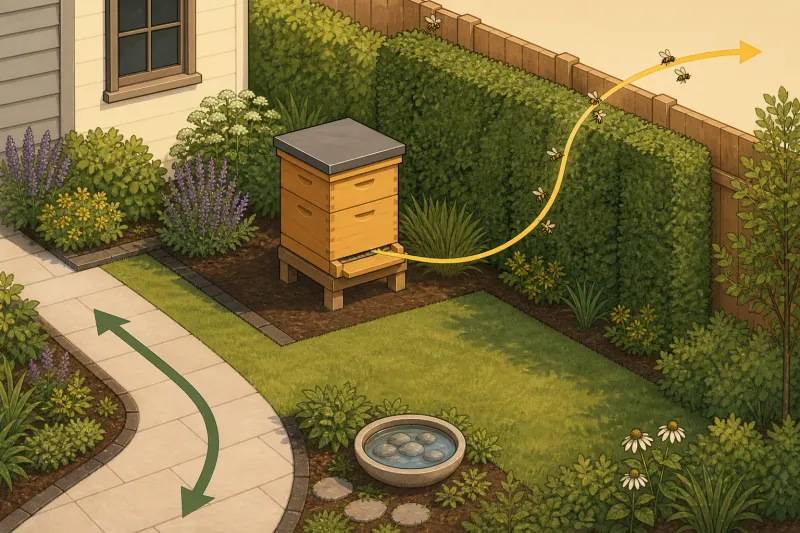
Honey bees use water for cooling and colony needs. Once they repeatedly visit a convenient source, redirecting them can be difficult. Set up a shallow container with cork, stones, rough wood, or another secure landing surface; keep it clean; and refill it consistently. Place it where normal bee traffic will not cross a doorway or seating area.

Direct bee traffic without inventing a universal height
A solid fence, dense hedge, or screen near the entrance can encourage departing bees to rise sooner. That can reduce low flight across a yard, but a barrier is not a substitute for poor placement. Its required height, distance, or construction - if a rule specifies one - depends on the local code.
Treat neighbors as stakeholders, not an obstacle
Tell directly affected neighbors what you plan to do before installation. Explain where the bees will fly, how you will provide water, who will manage swarms, and how they can contact you. Do not promise that no bee will ever visit their property or that stings are impossible. Explain the controls you can actually maintain.
Goodwill is useful, but honey is not a substitute for responsible management. Respond quickly to repeated bee traffic at a pool, unusual defensiveness, fecal spotting, robbing, or a swarm. If a colony’s temperament changes, determine the cause and use the steps in our guide to calming an aggressive beehive; relocation may be necessary while the issue is corrected.
Equipment for a manageable urban apiary
Choose equipment as a compatible system based on local practice, your physical capacity, and parts availability. Prices vary by region, season, material, shipping, and whether equipment is new or used, so a fixed universal startup figure quickly becomes misleading.
| Item | Why it matters in a city | Selection note |
|---|---|---|
| Complete hive with frames | Gives the colony standardized, inspectable comb space | Match the format used by your mentor and local suppliers |
| Stable hive stand | Keeps boxes level and off wet surfaces | Confirm roof or ground load and anchor needs |
| Veil or bee suit and gloves | Reduces the chance that discomfort leads to rushed handling | Use protection you can wear safely in local heat |
| Smoker and hive tool | Support calm, controlled inspections and frame handling | Use clean smoker fuel and control fire risk, sparks, and smoke drift |
| Feeder appropriate to the plan | Supports colonies when feeding is genuinely needed | Avoid exposed syrup that can trigger robbing |
| Water station | Reduces reliance on neighboring water sources | Provide safe landings and dependable refilling |
| Entrance reducer or robbing screen | Helps manage vulnerable colonies and dearth conditions | Use according to colony strength, weather, and local guidance |
| Varroa monitoring supplies | Turn mite management into measured decisions | Learn one validated monitoring method before installation |
| Covered containers | Keep comb, feed, and honey inaccessible to flying bees | Extract and store honey in a bee-tight space |
Eight-frame equipment can reduce the weight of individual boxes compared with ten-frame equipment of the same depth, but it is not automatically the best choice everywhere. Medium-depth boxes, lifting help, or a hosted ground apiary may be safer solutions. Our urban beekeeping tools checklist separates essential gear from optional accessories.
Used woodenware can save resources, but unknown comb and boxes may carry pests, residues, or disease risk. Ask your local extension service or apiary inspector before accepting used equipment, and do not buy colonies without knowing their health and management history.
Manage colony health in a city
An urban hive needs the same core health management as a rural colony, with less tolerance for delayed action. Keep written inspection records: date, weather, queen status, brood pattern, food, space, temperament, visible disease signs, Varroa result, treatment if any, and the next decision date.
Spring: build-up and swarm prevention
Strong colonies can outgrow their available space quickly. Inspect with a clear purpose during the local buildup period, watch colony population and queen-cell development, and add appropriate space before congestion becomes severe. Splits, queen management, and other interventions require timing and local knowledge; simply destroying queen cells without addressing the colony’s condition may not prevent a swarm.
Make a swarm plan before spring: identify an experienced contact, prepare a ventilated container, know where a collected swarm can legally go, and have a safe way to respond. Use the urban swarm-prevention guide for season-long management and the queen-cell and split assessment when cells are already present.
Summer: water, heat, dearth, and robbing
Maintain water using a safe urban water-station plan and assess ventilation without assuming that every bearding colony is overheating. During a nectar dearth, spilled syrup, exposed wet comb, open feeding, or honey left outdoors can start robbing. If a store assessment supports feeding, follow the sugar-syrup safety guide; otherwise keep honey covered and reduce entrances when appropriate for colony strength.
Heat reflected by roofs and walls can make a microclimate much hotter than the neighborhood forecast. Shade, roof-surface temperature, ventilation, and water availability should be evaluated together rather than applying a generic summer rule.
Fall and winter: food, moisture, and secure equipment
Assess stores against local winter length and colony size; a universal amount is not reliable across climates or hive formats. Complete time-sensitive management early enough for the weather and treatment label. Secure lids and boxes against rooftop wind, limit drafts where appropriate, and manage condensation without sealing away necessary ventilation.
If you keep bees above ground, use the rooftop winterizing guide as a planning checklist, then adjust it with local mentors who know your climate.
Varroa management is not optional
USDA identifies parasites and pests, pathogens, poor nutrition, and pesticide exposure among the interacting pressures on honey bee health, and describes Varroa as a major colony threat. A colony can look productive while mite levels and virus pressure rise.
Use a repeatable, validated monitoring method; record the result; compare it with current local action guidance; and choose a legal control compatible with temperature, brood status, honey supers, resistance concerns, and the product label. The EPA maintains a current list of registered products for Varroa control in U.S. hives, but registration does not mean every product fits every colony or time of year. Start with our Varroa identification and monitoring guide and seek local extension or mentor support before treating.
Compare Backyard, Rooftop, Balcony and Hosted Sites
A small hive footprint does not establish a safe apiary. Compare the route people and equipment will use, the flight path at the entrance, and the plan for relocating a colony if the building needs work.
| Site | Main advantage | Approval and design checks | Stop and find another site if… |
|---|---|---|---|
| Backyard or courtyard | Ground-level inspections and simpler transport | Parcel rules, owner permission, setbacks, water and pedestrian separation | Bees must cross a shared entrance or an unavoidable public path |
| Managed rooftop | Can separate bee traffic from street activity | Building approval, structural capacity, roof protection, drains, anchors and safe access | Access relies on an unsafe ladder, blocks an exit or conflicts with maintenance |
| Apartment balcony | The colony is close to home | Written landlord/building permission, load review, neighboring windows, water and safe removal route | Bee traffic enters shared airspace or an occupied hive must pass through public rooms |
| Hosted garden or teaching apiary | A practical option when the home site fails | Host agreement, local rules, mentor support, access hours and responsibility for care | Nobody can provide timely inspections, water or emergency access |
A Written Plan for an Apartment or Shared Building
Before seeking approval, draw the hive, working area, flight barrier, water station, neighboring openings and access route. Ask the building manager who can approve the location and which building professional must review the structure and roof details. Avoid treating a generic load figure, floor number or railing as evidence that the installation is safe.
Record who maintains water, inspects during swarm season, responds to defensive behavior and moves the bees for facade, roof or window work. Name a trained backup for absences and agree how residents can report concerns. Permission needs to cover ongoing management and removal, including scheduled building work.
Choose the detailed guide for your setting: the rooftop installation checklist covers weather and access; the apartment balcony beekeeping setup plan covers the site drawing and building workflow; the balcony beekeeping risk assessment helps decide whether to use a hosted site instead. For a building-managed apiary, use the commercial beekeeping planning guide.
Plan for Heat, Water, Winter and Relocation
Keep a dependable water supply in place before the colony arrives. Inspect the flight path when neighboring doors and windows are in use. For exposed sites, plan heat-wave care and rooftop winter preparation with a local mentor rather than applying one ventilation or wrapping recipe to every climate.
Keep hive inspections and equipment storage clear of building maintenance routes, drains and exits. Arrange a suitable relocation site and qualified help in advance; moving a full colony should not depend on improvising during a complaint or scheduled roof repair.
Rooftop and balcony beekeeping need extra caution
Rooftops
A roof can lift flight paths away from pedestrians, but it adds structural, access, weather, and worker-safety questions. Get the property owner’s written approval. Confirm that the structure and roof assembly can support the hive, people, temporary equipment, and stored honey; use a qualified building professional when needed. Protect roofing membranes and drains, plan fall-safe access, and coordinate with maintenance staff.
Wind can overturn covers and boxes, while intense sun can increase heat and water demand. Any anchoring system must be compatible with the building and must not damage the roof. Never create an arrangement that blocks a fire exit or requires carrying an occupied hive through public interior space.
Balconies
Before ordering equipment, work through the apartment balcony beekeeping setup plan with the property owner and a local mentor.
A balcony is not automatically an apiary because a box fits on it. Doors, neighboring balconies, shared courtyards, facade work, window washing, pets, and emergency access can all conflict with bee flight. The colony may also be difficult to move without taking it through the building.
If you are considering one, read the balcony beekeeping risk assessment and obtain explicit property permission. In many apartments, keeping bees at a community garden, teaching apiary, or host property is the more responsible choice.
Honey bees, native pollinators, and urban ethics
Managed western honey bee colonies are not a replacement for native pollinator conservation. USDA notes that North America has more than 4,000 native bee species and that honey bees are not native to the continent. Native bees have different nesting, forage, and habitat needs, and many do not live in managed hives.
More colonies do not automatically create more ecological benefit. Local forage is finite, and evidence about competition depends on landscape, season, colony density, and the native species involved. Avoid framing honey production as conservation by itself. Keep colony numbers modest, monitor whether adequate bloom is available across the season, and support habitat separately.
Plant diverse, regionally appropriate flowers, preserve stems or bare-ground nesting areas where suitable, reduce unnecessary pesticide use, and follow every pesticide label. EPA recommends pollinator-protection practices that reduce exposure and improve habitat. Our guide to planting flowers for bees can help you plan bloom succession, but local native-plant and extension guidance should decide the species.
Ethical urban beekeeping also means managing colony disease so it is less likely to affect other managed or wild bees, preventing chronic nuisance, harvesting only true surplus, and being willing to relocate or stop if the site no longer works.
A realistic path from interest to your first city hive
- Spend time at a working local apiary. Observe a full inspection, lift equipment, and see how you respond around an open colony.
- Take a locally relevant course. Prioritize instructors who teach bee biology, Varroa monitoring, disease recognition, swarm control, and local law - not only honey harvesting.
- Complete the legal and site checks above. Resolve ambiguous rules in writing and confirm a backup location.
- Find a mentor before bees arrive. Emergency help is much easier to arrange in advance.
- Choose compatible equipment and healthy local stock. Build around a management system you understand rather than collecting unrelated products.
- Prepare water, placement, records, and response plans first. The colony should be the last major piece to arrive.
Harvest is a possible outcome, not a first-year entitlement. Colony health and neighborhood safety come first; when there is a genuine surplus, use clean, bee-tight handling practices described in our small-space honey harvesting guide.
Urban beekeeping FAQs
Is urban beekeeping legal?
It depends on the exact address. State apiary rules, city or county codes, zoning, nuisance law, and private property rules may all apply, so verify each layer before buying bees.
How much space do you need for urban beekeeping?
A hive occupies only a small footprint, but the suitable site must also provide safe working room, a controlled flight path, reliable water, legal setbacks where required, and access for inspections and emergencies.
Can you keep a beehive on an apartment balcony?
Sometimes, but many balconies are unsuitable because of shared airspace, close doors and windows, difficult emergency access, lease or building rules, and limited ways to redirect bee traffic. A hosted ground-level apiary may be safer.
Do urban honey bees need their own water source?
Yes. Provide a dependable, shallow water source with safe landing surfaces before the bees arrive so they are less likely to establish a habit at a neighbor’s pool, pet bowl, fountain, or air conditioner.
How often should an urban beehive be inspected?
Inspection frequency depends on climate, season, colony condition, and the management goal. During spring buildup and swarm season, inspect often enough to act on rapid changes, following a local mentor or extension plan; avoid opening the hive without a clear objective.
Urban beekeeping works best when the beekeeper treats legal research, bee health, and neighbor safety as one management system. Start with local learning, prove the site is suitable, and commit to measured, timely care before bringing a colony into the city.