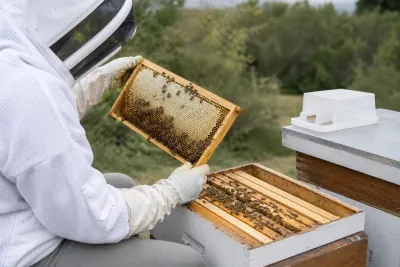
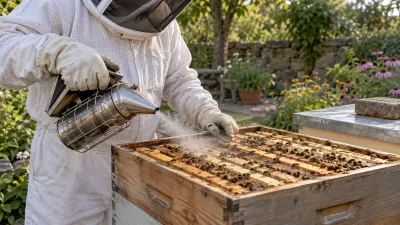
Swarm Prevention for Urban Beekeepers
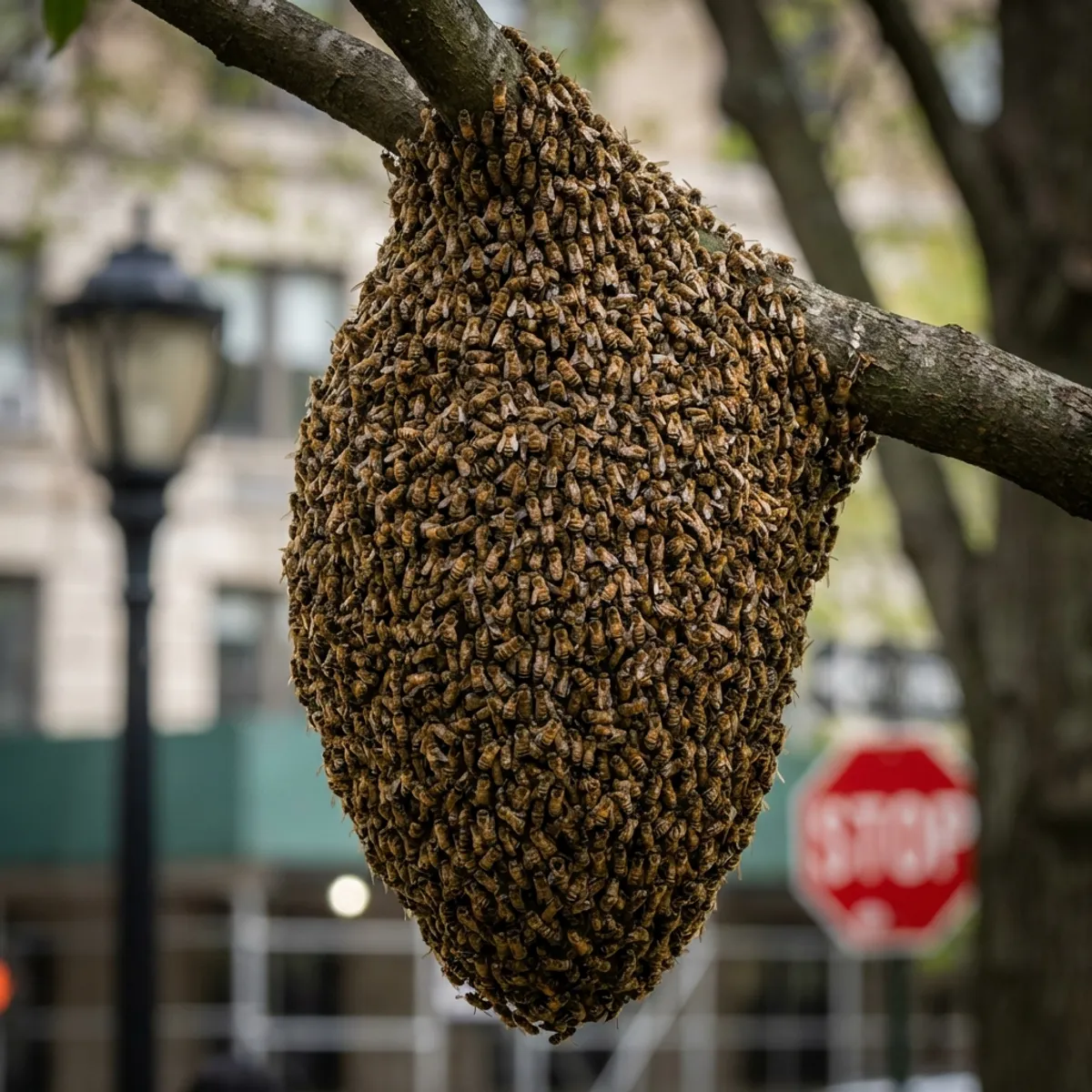
Swarming is normal colony reproduction, but it demands active management in a city. Inspect on a schedule during your local swarm season, keep usable space ahead of colony growth, and respond to the stage you actually see. Once queen cells are advanced, simply adding a super or cutting cells is unlikely to reset the colony’s plan.
This is a decision guide, not a substitute for hands-on instruction. Opening brood nests, making splits, and handling queens can damage a colony when timing, weather, or technique is wrong. Work with an experienced local mentor before attempting an unfamiliar manipulation.
Swarm-stage decision table
| What you observe | What it may mean | Safer next step |
|---|---|---|
| No queen cells, colony growing, open laying space remains | Normal spring expansion | Maintain regular inspections, add appropriate space before the colony becomes congested, and monitor nectar storage in the brood area |
| Empty, polished queen cups only | Cups may be routine and are not proof of swarm intent | Record their locations and recheck on schedule; look for eggs or larvae before treating them as active cells |
| Eggs or young larvae in charged queen cells | Swarm preparation may be underway | Do not rely on adding a box alone; consult a mentor and choose a complete control method suited to colony strength and local timing |
| Open queen cells with developing larvae and royal jelly | Preparation is more advanced | Act promptly with experienced help; confirm the queen is present before moving brood or making a split |
| Capped queen cells | A swarm may be imminent or may already have left | Avoid destroying every cell blindly; assess queen status, bee population, eggs, and weather, then get experienced help |
| Noticeably fewer bees, no eggs, capped queen cells, or a witnessed departure | The primary swarm may have left | Manage the remaining colony for queen emergence and mating; avoid repeated disturbance and verify queenrightness at the appropriate interval |
| Bees abandon the hive with little or no swarm preparation | Could be absconding rather than reproductive swarming | Investigate severe disturbance, pests, overheating, starvation, or pesticide exposure; do not apply a swarm-control recipe automatically |
Queen cells can also be raised for supersedure or emergency queen replacement. Cell position alone is not a reliable diagnosis. Colony history, the presence and age of brood, queen status, and overall population matter.
Compare swarm cells, supersedure cells, and queen cups before interpreting a cell’s location as a reason to split.
Why colonies swarm
A colony usually swarms when a strong population has the resources and conditions to reproduce. Common contributing conditions include:
- congestion in the brood nest or heavy nectar backfilling where the queen would otherwise lay;
- a rapid spring population increase during a nectar flow;
- insufficient usable comb even when an empty box is technically present;
- queen condition and age;
- genetics and the colony’s previous tendency to swarm; and
- local weather patterns that compress foraging and brood expansion into a short period.
Heat and bearding do not prove swarm intent. Bees may beard to regulate temperature or space inside the hive. Ventilation and shade can help with heat stress, but opening large vents or adding shade is not a standalone swarm-control method. See the urban heat-wave guide for that separate problem.
Inspect before the decision window closes
During the main swarm period, many extension programs recommend inspections at roughly weekly intervals because a queen cell can progress quickly. Your climate, colony strength, weather, and local nectar flow should set the exact schedule.
A focused swarm-season inspection should answer:
- Is the existing queen present, or are there fresh eggs showing she was present recently?
- Is there open comb the queen can actually use in the brood area?
- Is nectar being stored in brood cells?
- Are queen cups empty, charged with an egg, open with a larva, or capped?
- Is the adult bee population rising, stable, or suddenly lower?
- Does the colony have enough stores and brood to support any proposed split?
Record what you see. A dated inspection log is more useful than trying to remember whether a cell was empty last week.
Prevention before charged queen cells appear
Keep usable space ahead of growth
Add brood space or honey supers according to the hive system, local flow, and colony strength. An empty box above a colony does not help if bees have not begun using it or if the queen has no accessible laying space. Drawn comb can be used more quickly than undrawn foundation, but used comb must come from a known, healthy source.
Do not expand a weak colony so aggressively that it cannot protect or regulate the added space. The aim is enough usable room, not the largest possible stack.
Manage brood-nest congestion carefully
Some experienced beekeepers redistribute frames or add suitable comb near the brood area. This can chill brood, separate it from nurse bees, damage the queen, or spread disease if done poorly. Use a method taught for your hive type and climate, and only when the colony is strong and weather is appropriate.
Plan splits before you need them
A well-timed split can simulate colony reproduction under controlled conditions and reduce congestion. It also creates another colony that needs a legal location, equipment, inspections, mite management, and winter planning. In a city, first confirm that the second hive fits local colony limits and property permission. Use our queen-cell and hive-split assessment with Utah State Extension’s splitting overview, and make the first split with a mentor.
Treat queen replacement as one factor, not a guarantee
Some beekeepers requeen with selected stock to improve temperament or reduce a colony’s swarm tendency. A younger queen does not eliminate swarming when space, timing, and colony conditions still favor it. Requeening is also a live-animal management task, not a quick repair for capped queen cells.
What not to rely on
- Cutting every queen cell: Cells can be missed, the colony may rebuild them, or you may leave a queenless colony without a replacement.
- Adding a super after cells are capped: Extra storage space may be useful, but the reproductive sequence may already be far advanced.
- Entrance tricks or queen clipping alone: These do not remove the colony conditions or management responsibility behind swarming.
- A fixed calendar date: Swarm timing follows local forage and weather, not a national schedule.
- Bearding as the only sign: Confirm brood-nest and queen-cell conditions inside the hive.
If a swarm has already left
Do not climb, lean over a railing, use an unsecured ladder, cut overhead branches, or enter another property to retrieve it. Keep people and pets away from the cluster and contact a trained local swarm collector when it is not safely reachable from the ground.
Tell affected neighbors what is happening and ask them not to spray or disturb the bees. A resting swarm is often temporary, but any bee cluster can sting when disturbed, and some people face serious allergy risk. For a neighbor-facing explanation, share what to do when a bee swarm is in the yard.
After a suspected swarm, inspect the parent colony with a mentor-informed plan. Confirm whether it has queen cells, avoid destroying all potential replacements, and allow time for a new queen to emerge, mate, and begin laying before declaring failure. Local weather can extend that timeline.
Urban swarm-prevention checklist
- Know the usual swarm period and major nectar flows in your area.
- Keep a dated inspection log and check queen-cell stage, not just presence.
- Prepare spare equipment and a mentor contact before the season.
- Confirm where a split could legally and safely go.
- Maintain water and flight paths that reduce neighbor conflict.
- Keep a local swarm collector’s number available.
- Review the response plan with anyone who shares the property.
Swarm control is a season-long management process. Pair it with the urban hive health hub, the neighbor complaint guide, and current local beekeeping rules before colony growth accelerates.