How Much Honey Does One Bee Make in Its Lifetime?
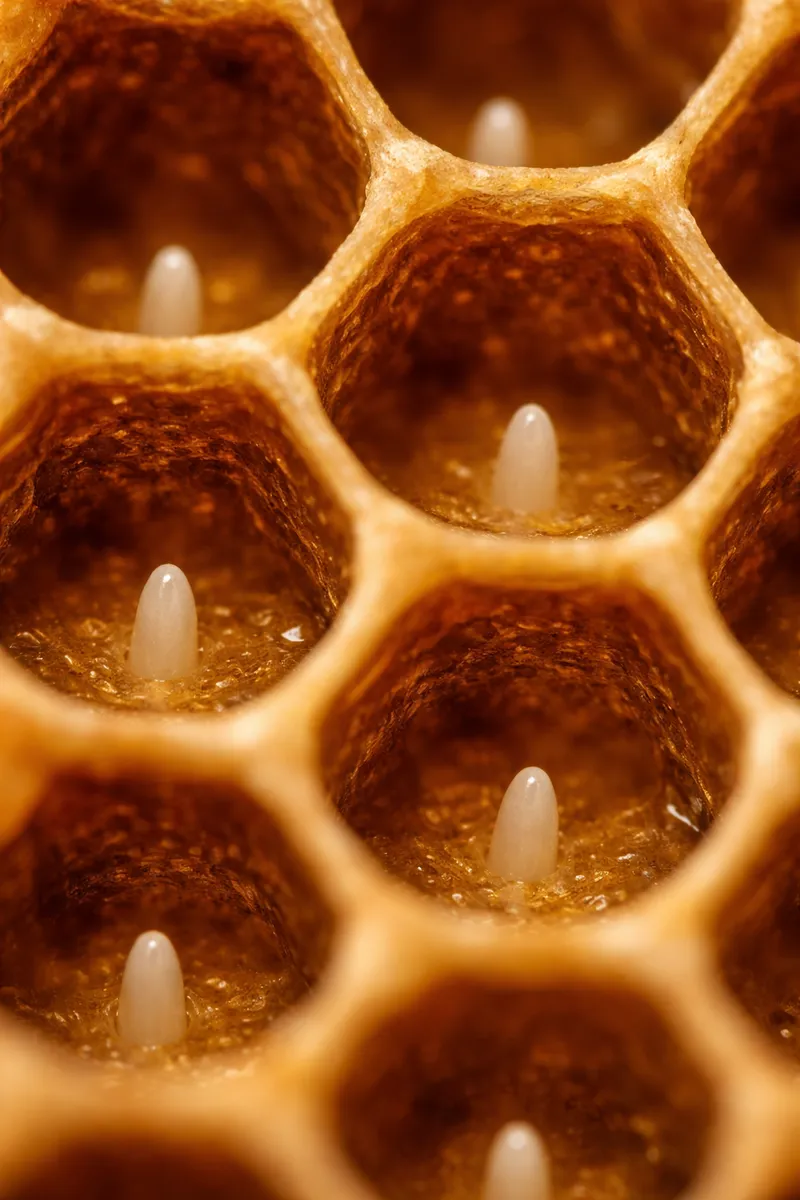
One worker bee is often credited with 1/12 teaspoon of honey. See the grams, jar math, and why this estimate cannot predict your hive's harvest.
Explore practical urban beekeeping guides for city hive setup, seasonal care, swarm prevention, harvesting, troubleshooting, laws, and equipment.
Foundations for new city beekeepers: what the hobby involves, what it costs, which bees to buy, and the mistakes to skip.
One worker bee is often credited with 1/12 teaspoon of honey. See the grams, jar math, and why this estimate cannot predict your hive's harvest.
Packages are cheaper and available everywhere; nucs build faster and fail less. Which fits an urban first hive - and how to order, install and not get burned.
The most common first-year mistakes city beekeepers make - from skipping the legal check to missed mite counts - and exactly how to avoid each one.
A complete beginner's guide to keeping bees in the city, from legal checks to your first harvest.
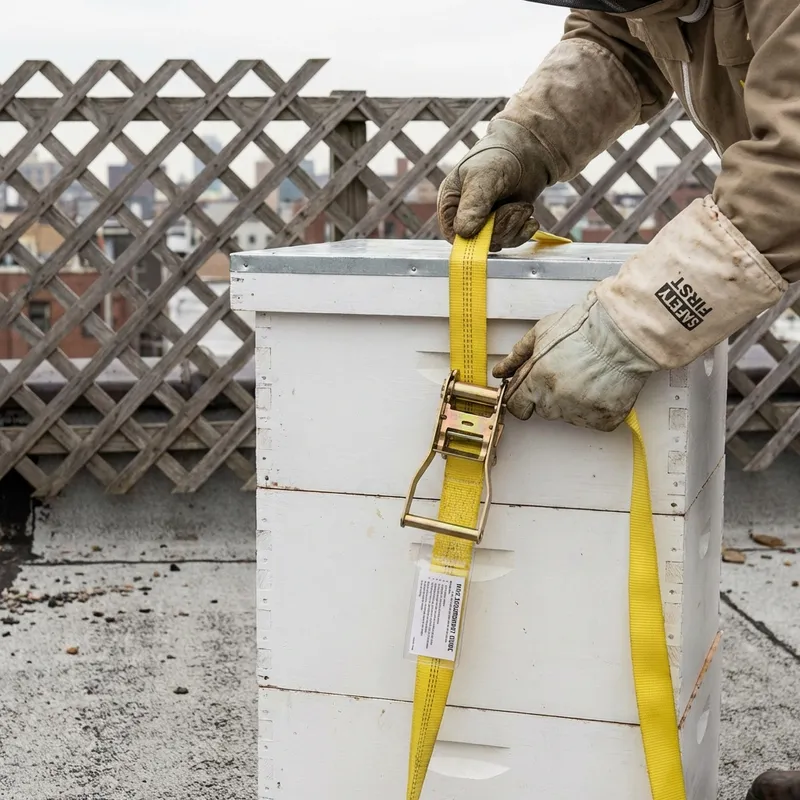
Learn urban beekeeping safely: check local laws, choose a responsible hive site, manage neighbors, swarms and Varroa, and decide if you are ready.
A comprehensive month-by-month roadmap of what to expect during your first season as an urban beekeeper.
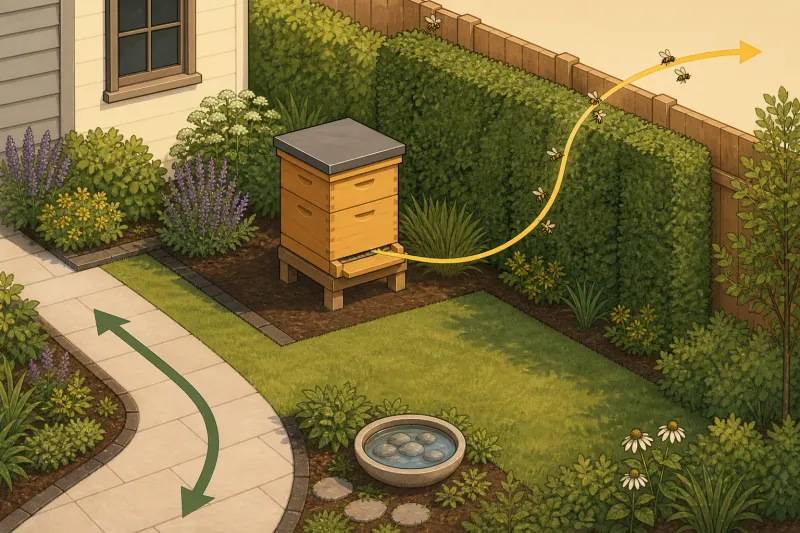
Siting and building a compliant city apiary - flyway barriers, rooftop and balcony logistics, and neighbor-safe placement.
Choose an urban hive location by checking laws, access, flight paths, water, drainage, sun, wind, neighbors, security, and emergency relocation.
A step-by-step guide to building a flyway barrier - fence, hedge or netting - that lifts bee flight paths above head height and keeps neighbors happy.

Keeping a colony healthy through the year: inspections, swarm prevention, winter and heat management on a city schedule.
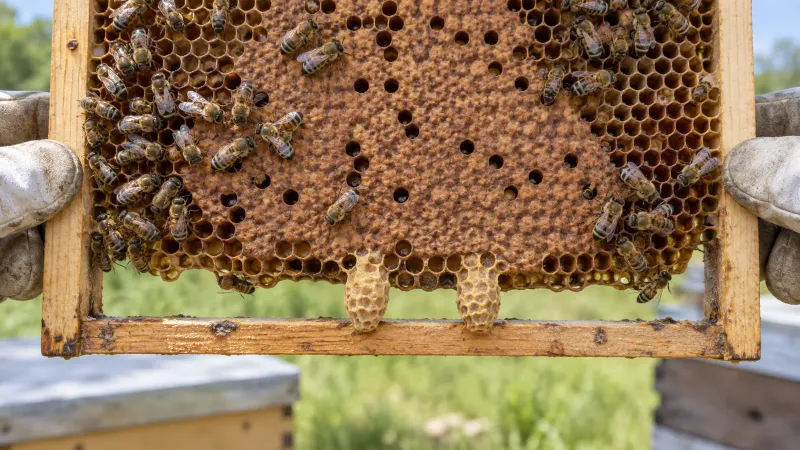
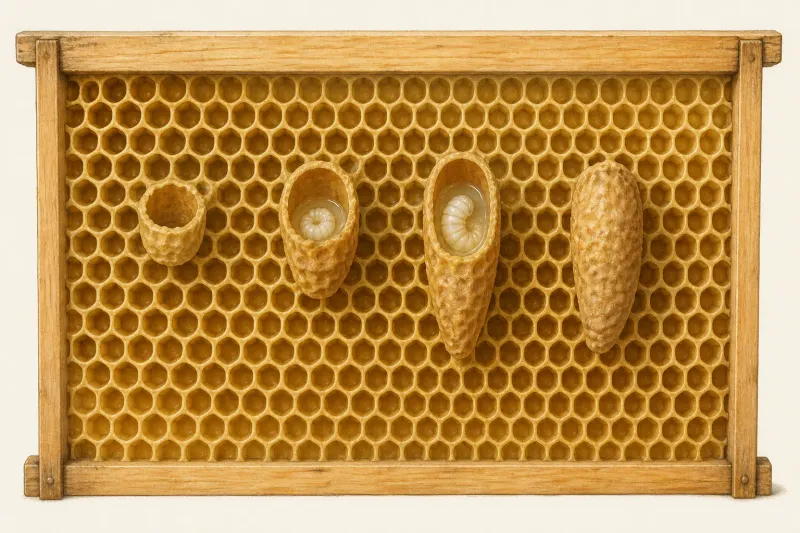
Identify queen cups and active queen cells, assess swarm stage and queen status, and understand when an experienced beekeeper may use a hive split.
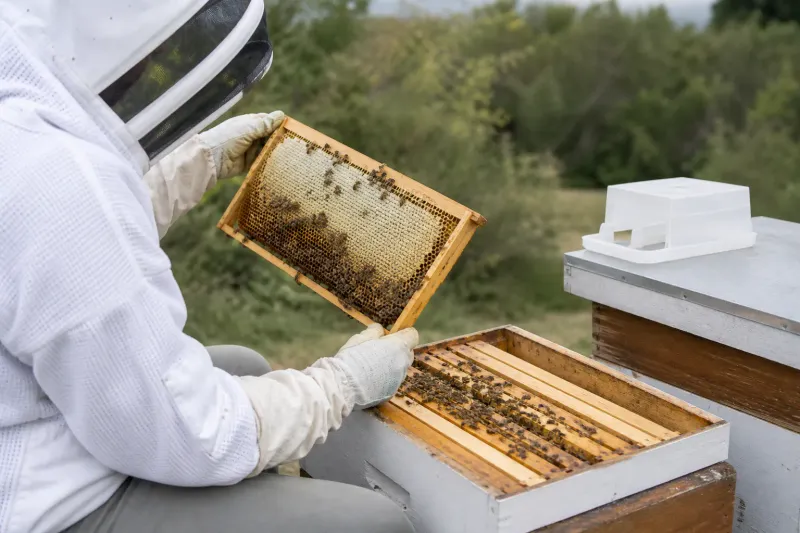
A month-by-month task calendar for city beehives: inspections, swarm prevention, mite checks, feeding and winter prep, tuned to urban conditions.
Is that foul odor a symptom of American Foulbrood, or just late-summer goldenrod nectar? Here is how to diagnose a smelly beehive.
Urban bees must be gentle. Uncover the underlying stressors making your bees cranky and learn how to calm them down.
Recognize swarm preparation, choose the right response by queen-cell stage, and manage city hives without risky last-minute improvisation.
The complete hub for diagnosing problems, managing seasons, and maintaining a healthy, gentle beehive in the city.
Wind is the enemy. How to wrap, insulate, and secure your colony for the cold.
Something looks (or smells) wrong? Diagnose smells, swarms, robbing, aggressive behavior, pests and diseases.
Dead bees can produce a strong decay odor. Learn what to inspect, how goldenrod and foulbrood can confuse the picture, and when to stop and call an inspector.
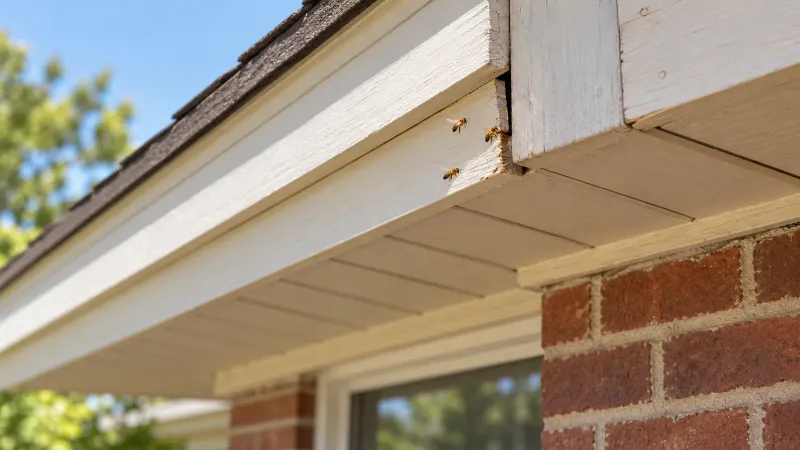
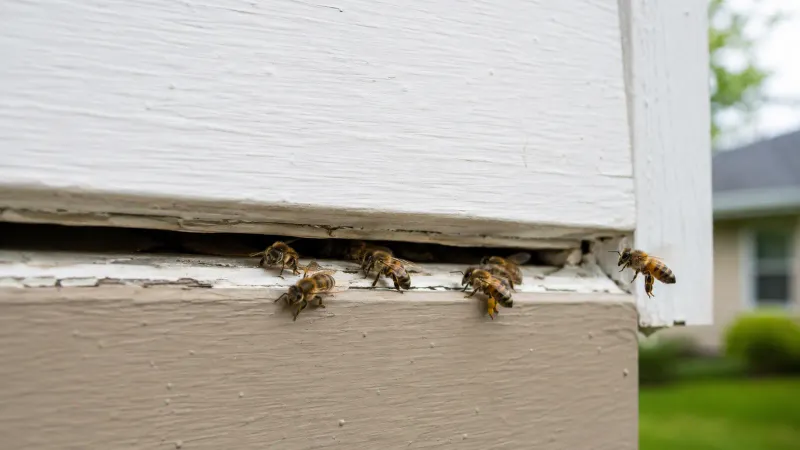
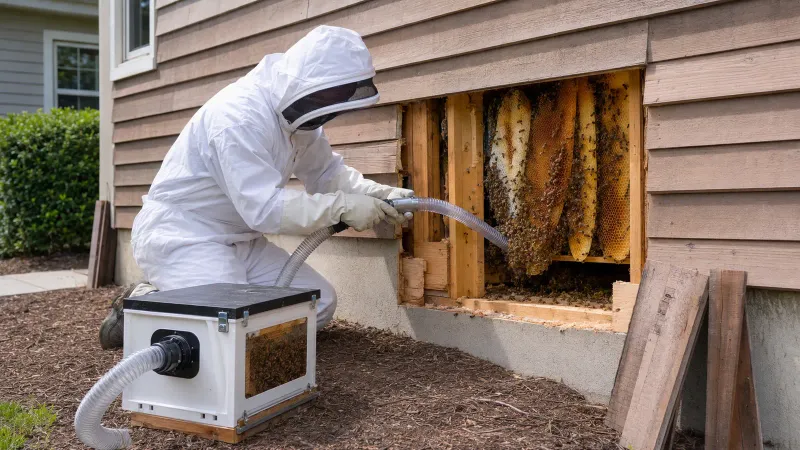
Bees entering your siding? Learn what to do before sealing a wall, how cutouts and trap-outs differ, and what cleanup and repairs to request.
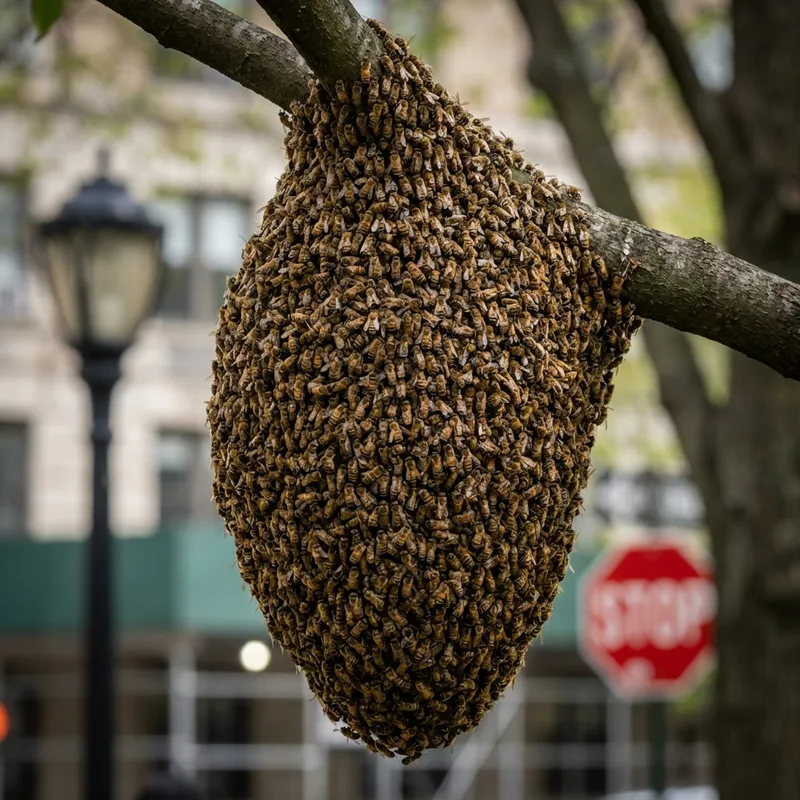
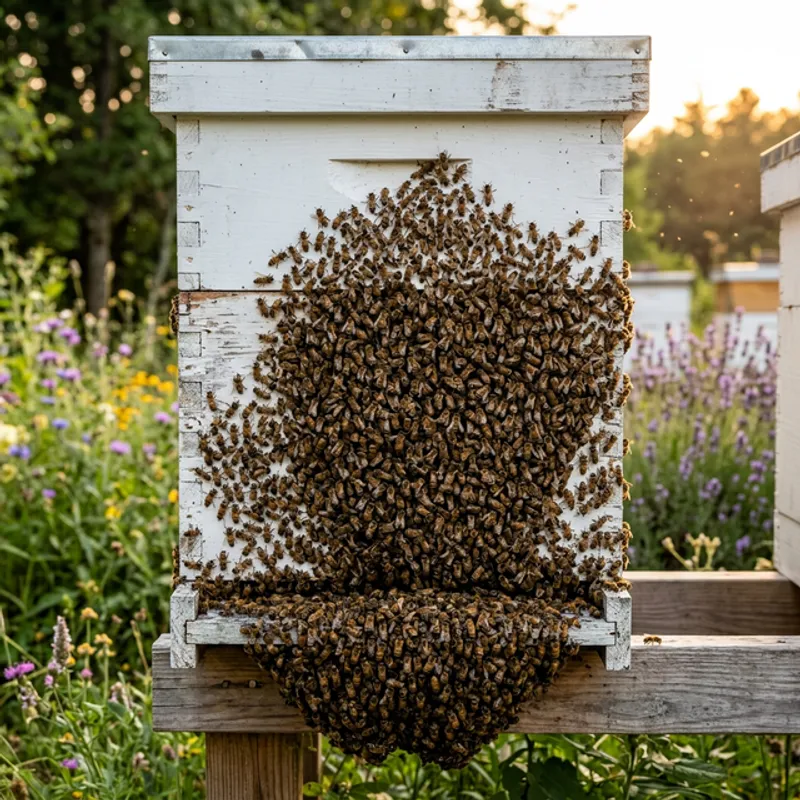
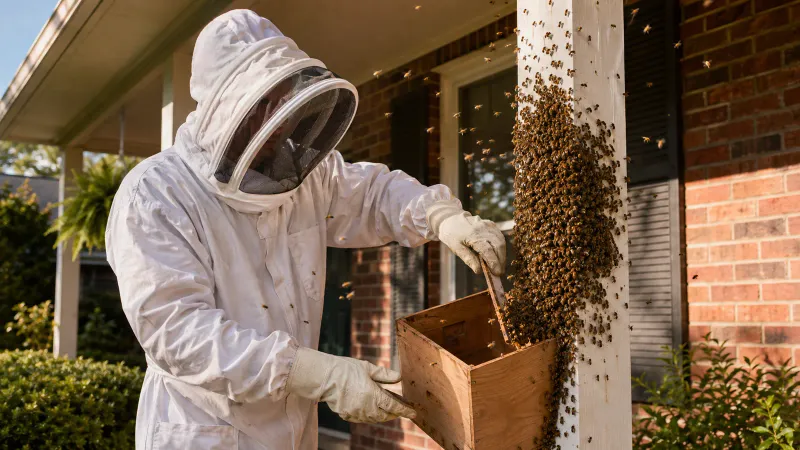
A hanging cluster of bees is usually harmless and temporary. What a swarm is, how long it stays, who removes it free - and the two things you should never do.
Bees in a wall, tree or yard? Why spraying honey bees backfires, how live removal works, what it costs, and the free option most people don't know about.
Compare AFB and EFB brood signs, learn why smell and field tests are not definitive, and know when to contact an apiary inspector or diagnostic lab.
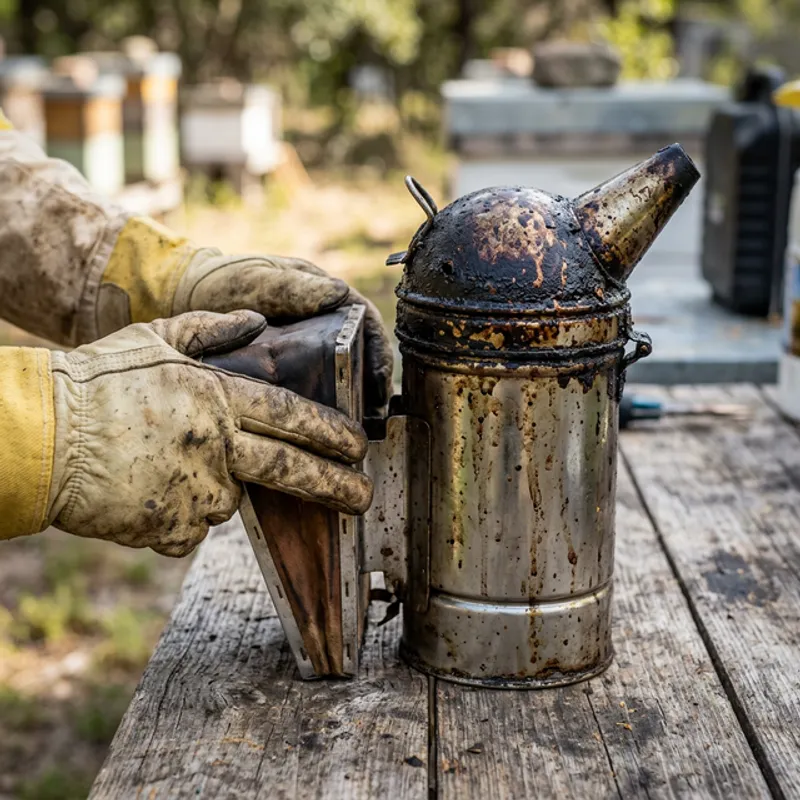
Is your bee smoker constantly going out during an inspection? Learn the three rules of a perfect, cool, thick smoke, and the best fuels for urban beekeepers.
A step-by-step emergency protocol for urban beekeepers when a neighbor reports being chased or stung by your honey bees.
Is it a swarm or just a hot summer night? Learn why honey bees beard, what it means for the hive, and when an urban beekeeper should intervene.
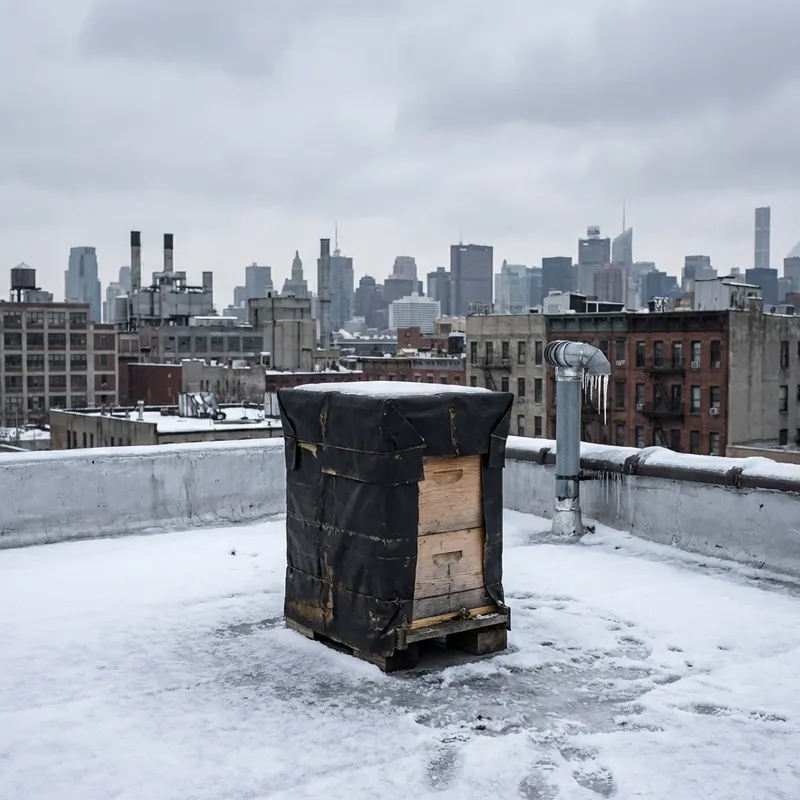
Urban winter can be brutal. Learn how a honey bee colony survives sub-zero temperatures, and why moisture is the real threat to a balcony hive.
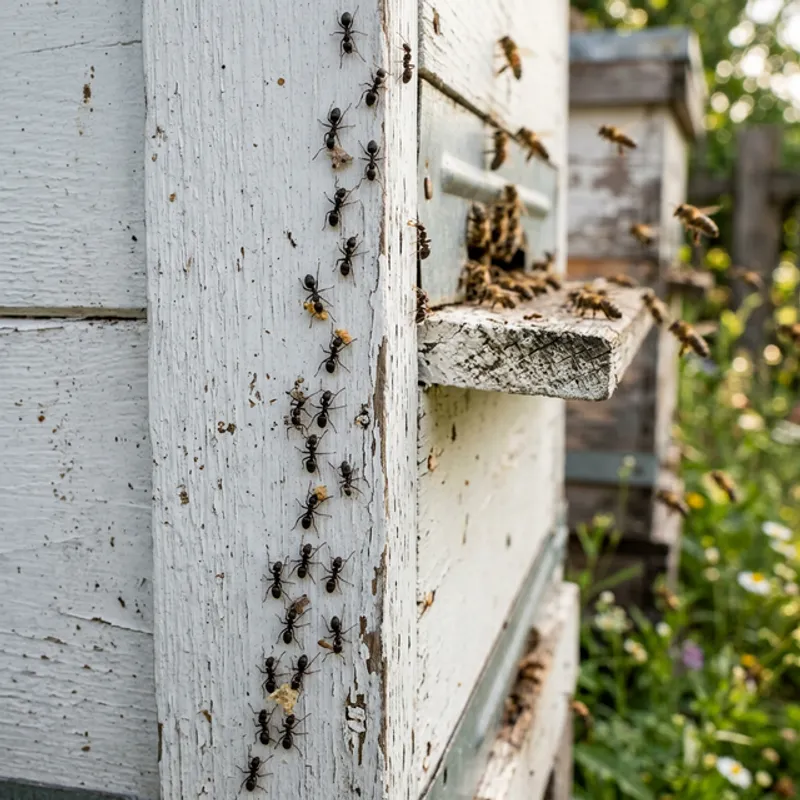
Ants invading your beehive? Learn the safest natural barriers and treatments to protect your urban colony without harming the bees.
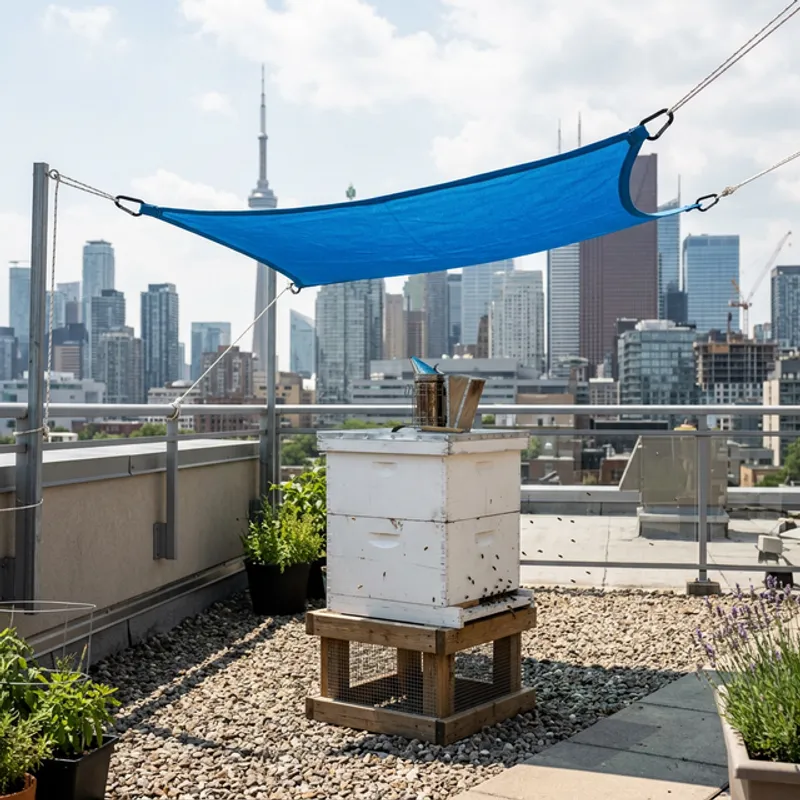
Urban rooftops can reach deadly temperatures in summer. Learn emergency protocols to prevent comb collapse and protect your honey bees during a heatwave.
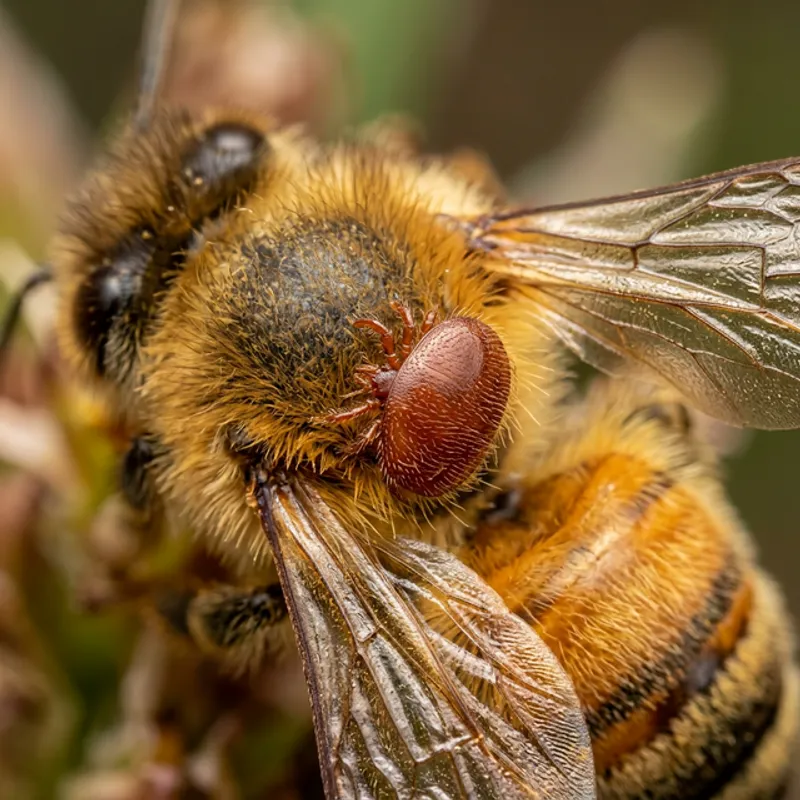
Varroa mites are the number one killer of managed honey bees. Learn how to spot them, monitor their numbers, and stop a mite bomb in your urban apiary.
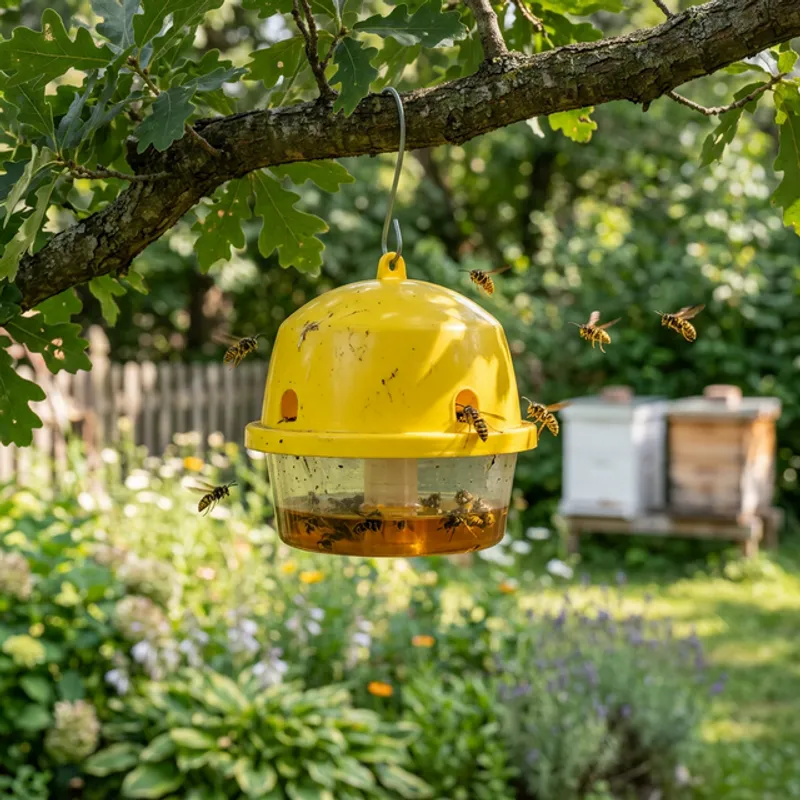
Late summer wasps are a major threat to urban apiaries. Learn how to trap yellowjackets and protect your honey bees from aggressive robbing.
How to de-escalate conflicts, categorize neighbor complaints, and implement practical solutions to keep your urban apiary legal and peaceful.
A panic-free guide for urban residents: How to safely identify, contain, and remove a bee swarm from your balcony or patio.
When and how to take honey, what a hive really yields, and how to do it without industrial equipment.
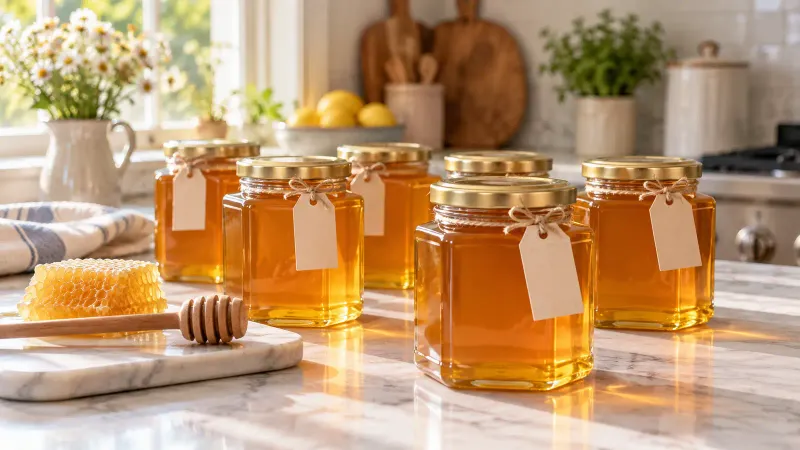
Convert your hive's honey harvest into 8-ounce, 12-ounce, and pound jars. Compare super sizes, gallon estimates, and the weight you can actually bottle.
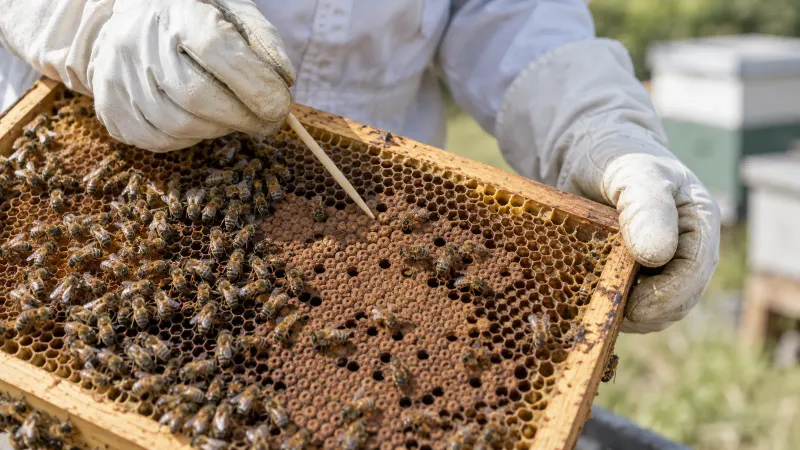
Typical hives yield 20–60 lbs of surplus honey a year - but urban hives, first years and bad seasons change the math. Real numbers and what moves them.
A low-mess guide to extracting honey in small urban spaces using the crush-and-strain method or small extractors.
The practical layer: legality by address, insurance, budgets, and selling your honey legitimately.
Check the rules for selling honey from home: cottage-food and farm exemptions, labels, sales channels, sanitation, and insurance before your first sale.
Can you keep bees in a residential area? Check zoning, state registration, HOA rules, permits, and setbacks before buying your first backyard hive.
Compare bee hive removal costs for swarms, live cutouts, and extermination. Learn what quotes include, when collection is free, and how to budget for repairs.
Are honey bees protected by law? Learn federal and state regulations (TX, FL, CA, IL) on killing bees, extermination rules, and humane removal options.
Yes - usually under cottage food laws. What urban beekeepers need to know about labeling, licenses, liability and realistic income before selling honey.
Realistic startup and yearly costs for a city beehive: equipment, bees, registration and hidden extras - plus where beginners can safely save money.
Use your U.S. address - not just a ZIP code - to find city, county, state, zoning, registration, and property rules before installing a beehive.
Does homeowners insurance cover a beehive, bee removal, sting liability, or honey sales? Learn what to check, what may be excluded, and what to ask.
Evaluate whether a balcony can safely host a hive, including permission, structure, access, flight paths, water, weather, neighbors, and alternatives.
A complete guide to structural assessments, wind protection, heat management, and safe access for rooftop apiaries.
What you actually need in a city apiary - and what can wait.
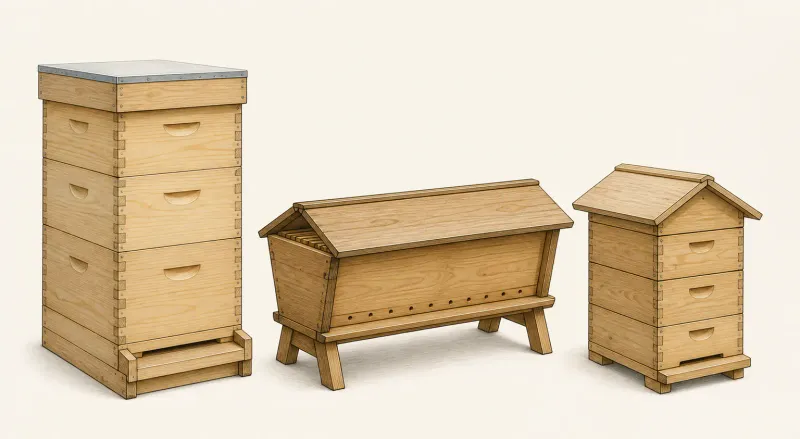
Compare Langstroth, horizontal, top-bar, Warre, and Flow-style hives for city sites, lifting, storage, inspections, mentorship, and local rules.
The essential kit for the city apiarist. Don't buy gadgets you don't need.
How honey bees fit the city around them - identification, forage, and pollinator ecology.
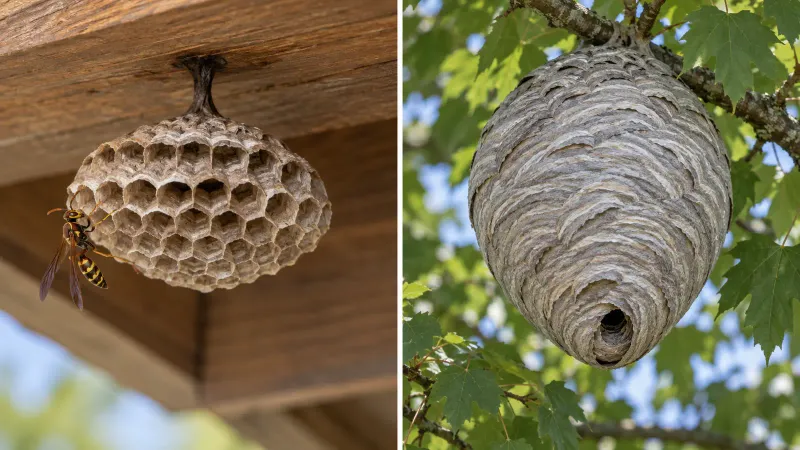
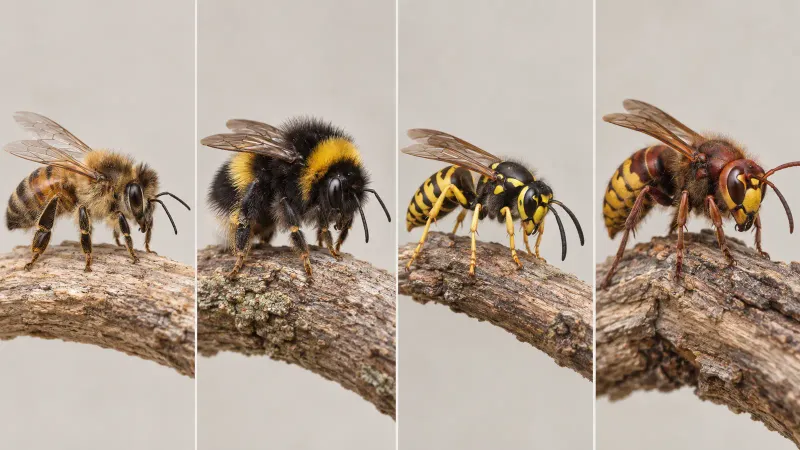
Fuzzy and brown or smooth and yellow? A fast identification guide to honey bees, bumblebees, wasps, yellowjackets and hornets - and what to do about each.
Planting balconies, yards and rooftops that feed your bees through the season.
Create a pollinator buffet on your balcony with these high-nectar urban plants.
Day-to-day care practices for healthy urban colonies.
Know when a honey bee colony needs syrup, how to mix 1:1 or 2:1 by weight, which feeder to use, and when feeding can harm bees or contaminate honey.
Give honey bees dependable water without drowning bees, breeding mosquitoes, or sending foragers to a neighbor's pool, pet bowl, or patio.