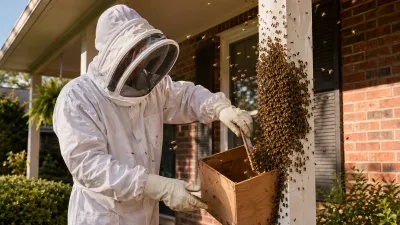
Does Homeowners Insurance Cover Bee Removal?
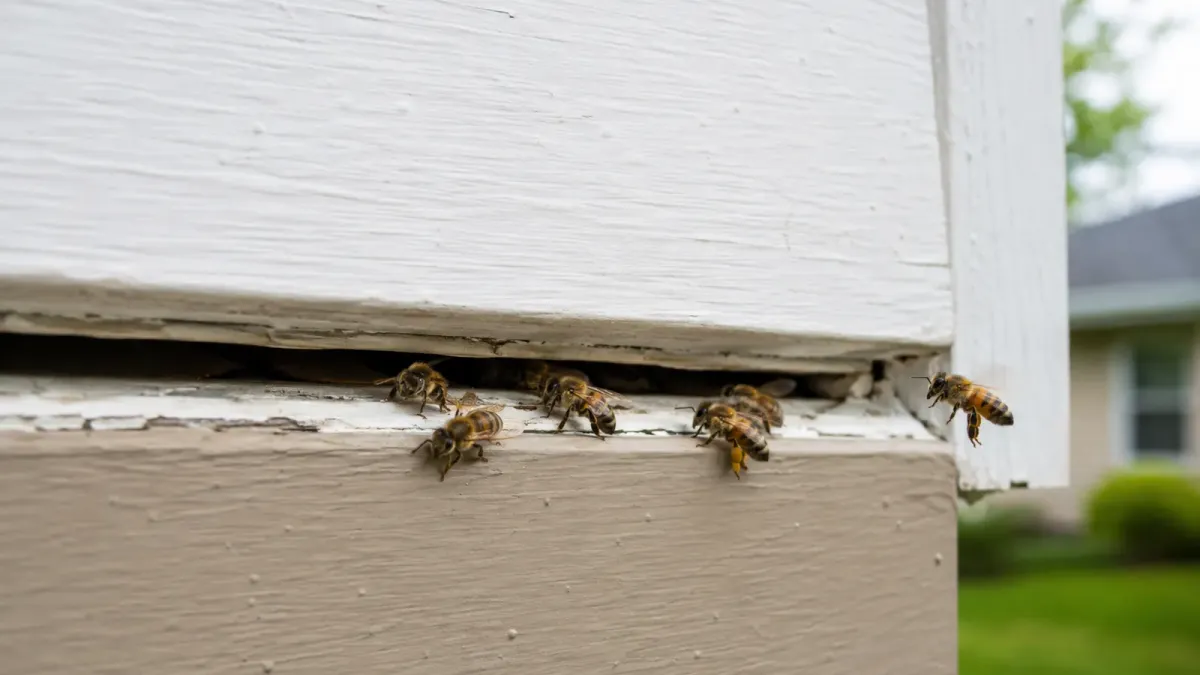
Homeowners insurance often does not pay for routine bee removal or insect damage. A wild colony in a wall, repairs after a separate covered event, and liability for a managed hive are different coverage questions. Your policy and the cause of loss determine the answer.
Keep people away from the entrance, photograph the situation from a safe distance and contact your insurer before permanent work. Ask for an itemized removal estimate and a written coverage explanation; do not delay urgent safety measures while waiting for an insurance decision.
This guide provides general U.S. consumer information, not insurance or legal advice. Policy wording and state law control. A licensed insurance professional or your state insurance department can help you interpret your situation.
Beehive Insurance Questions at a Glance
| Situation | Coverage to ask about | What can change the answer |
|---|---|---|
| A visitor or neighbor alleges a bee-sting injury | Personal liability, medical payments, and legal defense | Legal responsibility, policy exclusions, limits, and how the beekeeping activity is classified |
| A swarm allegedly damages someone else’s property | Personal liability | Evidence connecting the colony to your hive, negligence rules, exclusions, and state law |
| Fire, wind, theft, or vandalism damages hive equipment | Personal property or other applicable property coverage | Whether the hive is insured property, the covered peril, its location, deductible, and special limits |
| A queen, colony, or stored honey is lost | Animal, farm, or business-property provisions | Definitions and exclusions; personal policies may treat these differently from wooden equipment |
| A wild colony nests inside a wall or roof | Bee removal and resulting building damage | Infestation or maintenance exclusions, the cause of damage, and any separate covered event |
| You sell honey, bees, queens, wax, or other products | Business property, general liability, and product liability | Sales activity, customers on the premises, policy business-use limits, and state requirements |
The National Association of Insurance Commissioners (NAIC) explains that homeowners policies commonly combine dwelling, other-structures, personal-property, personal-liability, and medical-payments coverage. It also emphasizes that claims are paid according to the perils, exclusions, limits, and deductible in the contract. That framework applies to a hive; the policy still has to recognize the damaged property or alleged liability as covered.
Does Homeowners Insurance Cover Bee Removal?
A wild colony inside the house
Homeowners searching for “bee removal insurance” are often dealing with a wild colony in a wall, chimney, attic, soffit, or roof - not a managed backyard hive.
Routine colony removal is often treated as pest control or home maintenance rather than a sudden covered loss. NAIC consumer guidance says damage from infestations is not typically covered, and the Texas Department of Insurance home insurance guide lists damage from insects among common exclusions. Those general statements do not decide a particular bee claim, however.
Ask the insurer to address the costs separately:
- Locating and removing the colony
- Opening and closing the wall, roof, or soffit
- Repairing physical damage caused by bees, honey, wax, or moisture
- Repairing damage caused by a separate event that the policy covers
- Emergency measures needed to prevent further damage
One portion may be excluded even if another is covered. Before permanent repairs, document the condition with photos and ask whether the insurer wants to inspect it. For immediate health or structural danger, take reasonable protective action first and keep records of the reason and expense.
Use a qualified live-removal professional where available. Removing the bees without removing comb and honey can leave odors, attract pests, and create additional damage.
Wall Infestations
Before arranging access through drywall or siding, read our guide to bees in house wall removal. It explains why an active entrance should stay open and what to ask about cutouts, trap-outs, cleanup, and repairs. Keep those work items separate when discussing the job with your insurer.
Removal Costs & Claim Scenarios
Compare itemized estimates using our bee hive removal cost guide. It separates swarm collection, structural cutouts, cleanup, and permanent repairs so you can ask the insurer about each cost individually. A contractor’s quote does not establish whether a claim is covered.
Your own managed beehive
Removal or relocation of a hive you intentionally installed is normally a beekeeping expense, not the same event as discovering a wild infestation. If the hive must move because of a neighbor conflict or local rule, first review the relevant city beekeeping regulations and your lease, condominium rules, or homeowners association requirements.
Five Questions Before You Authorize Removal
- Which exclusion or coverage applies? Ask the adjuster to identify the policy wording for infestation, insect damage and any separate covered event.
- Which work needs inspection first? Ask about opening a wall, removing comb and disposing of damaged material before evidence is lost.
- What can be done immediately? Confirm reasonable temporary measures and document why urgent work was necessary.
- What is the deductible for this event? Compare it with the potentially covered repairs, not just the full contractor estimate.
- Can you put the decision in writing? Keep the explanation, itemized quotes, photographs and receipts together.
The Texas Department of Insurance identifies insect damage as a common exclusion and explains that a covered loss can still fall below the deductible. The Washington insurance regulator’s claims guide recommends checking coverage with the insurer and keeping supporting records. These are consumer frameworks, not a promise that your claim qualifies.
Find the Right Removal Provider
An exposed swarm and a colony with comb inside a building need different work. Start with a local beekeeping association for swarm collection; for a wall colony, ask specifically about structural removal, comb cleanup, access repairs and proof of insurance. Verify any required pest-control or contractor credentials with the responsible state agency.
In Texas, the TAIS removal directory is a starting point for contacting listed beekeepers. TAIS registration is not an endorsement of workmanship or a guarantee of coverage. Elsewhere, ask your state apiary program or extension office for local contacts.
Safety alert: Do not seal an active entrance, disturb the comb or open a wall yourself. Keep children and pets away and get qualified help. UrbanBee publishes guidance; it is not an emergency dispatch service, removal contractor or insurance adjuster.
For a source correction or editorial question, contact our team. For removal scheduling, contact the local provider directly.
Does Homeowners Insurance Cover Beehive Damage?
Do not assume a wooden hive is automatically an “other structure.” Depending on its construction, attachment, use, and policy wording, an insurer might analyze hive boxes and equipment as personal property, outdoor property, farm property, business property, or excluded property.
For any loss, four questions matter:
- What was damaged? Separate the hive stand, boxes, frames, tools, bees, queen, honey, and business inventory.
- What caused the loss? Fire, wind, theft, gradual deterioration, insects, poor maintenance, and flooding may be treated differently.
- Is that cause covered? A named-peril policy and a broader policy do not cover losses in the same way.
- Does the claim exceed the deductible and any special limit? A covered loss can still result in no payment when repair or replacement cost is below the deductible.
Create a dated inventory with photographs, receipts, serial numbers where relevant, and an estimate of replacement cost. Keep it away from the hive location. NAIC guidance recommends reviewing coverage and property values regularly rather than waiting for a claim.
If wind exposure is a concern, prevention may be more valuable than a small property claim. Use the structural and access precautions in our rooftop beehive setup guide.
Urban Beekeeping Liability for Stings, Swarms, and Damage
Personal liability coverage generally addresses covered claims that you are legally responsible for another person’s bodily injury or property damage. Medical-payments coverage may address certain minor injuries without a finding of legal liability. Neither provision guarantees that a bee-related claim will be accepted.
An insurer may examine:
- Whether you disclosed the hive
- Whether beekeeping is a personal activity or a business
- Whether an animal, insect, farming, or other exclusion applies
- Whether you followed local placement, registration, flyway, water, and colony-limit rules
- Whether you knew about aggressive behavior or repeated swarming and failed to act
- Whether the injured person is an insured, household member, visitor, worker, customer, or third party
- Whether defense costs are inside or outside the stated liability limit
Good hive management does not eliminate liability, but it provides evidence of reasonable risk control. Maintain calm stock, provide water, keep inspection records, control swarming, and address complaints promptly. See our guides to preventing swarms in the city, handling aggressive bees, and responding to neighbor complaints.
Would an umbrella policy cover a bee incident?
A personal umbrella policy may provide additional liability and defense coverage above an underlying homeowners or renters policy. It is not a blanket cure for an excluded activity. The NAIC’s umbrella policy guidance notes that umbrella policies have their own exclusions and do not cover damage to your own home or property.
Before buying one, ask whether the umbrella specifically follows or excludes liability arising from beekeeping and whether it requires a minimum amount of underlying coverage. Get the answer in writing.
Hobby Beekeeping vs. Selling Honey
Coverage is only one part of preparing to sell. Check the home honey-sales rules and labeling requirements alongside your insurance review.
Occasionally giving a jar of honey to a neighbor is not necessarily treated the same way as regularly selling honey, queens, colonies, wax products, or paid removal services. Policy definitions and underwriting rules vary, so do not invent your own threshold for when a hobby becomes a business.
Tell the insurer about any:
- Product sales, even when seasonal or online
- Farmers market or roadside-stand activity
- Customers collecting products at your home
- Paid pollination, mentoring, inspections, or removals
- Employees, volunteers, or borrowed equipment
- Business inventory, labels, and food-processing equipment stored at home
The NAIC small-business insurance guide warns that personal policies can limit business property and exclude business-related liability. The Texas Department of Insurance similarly advises home-business operators to discuss business property and liability with their insurer.
Depending on the operation, an insurance professional may discuss a homeowners endorsement, business owner’s policy, commercial general liability, product liability, farm policy, or another specialized product. USDA’s Risk Management Agency apiculture resources address agricultural production risks for eligible operations, but crop or revenue protection is not a substitute for liability coverage.
Renters, Condos, Rooftops, and Community Gardens
Renters insurance can include personal property and personal liability, but it does not insure the building itself. A landlord’s policy generally protects the landlord’s interests, not your hive or personal liability. Condo association coverage likewise does not replace the unit owner’s policy.
Before placing a hive somewhere you do not exclusively own, obtain written permission and clarify:
- Who owns the hive and equipment
- Who controls and maintains the site
- Who is responsible for injuries or property damage
- Whether the owner, association, garden, or venue requires proof of insurance
- Whether your policy covers an off-premises hive
- Whether access by visitors, workers, or the public changes the risk
Insurance approval does not replace zoning, registration, lease, association, or site-safety requirements.
Questions to Ask Your Insurance Company
Contact the insurer or a licensed agent before installing bees, renewing a policy, moving the hive, or starting sales. Identify yourself and your policy; an informal or hypothetical conversation may not create a reliable coverage record.
Ask these questions:
- Is a disclosed hobby honey-bee hive an acceptable activity at this property?
- Does personal liability apply to covered bodily-injury or property-damage claims arising from the hive?
- Do any animal, insect, livestock, farming, business, nuisance, or intentional-act exclusions apply?
- How are the boxes, frames, tools, living bees, queen, honey, and stored products classified?
- Which covered perils, deductibles, sublimits, and valuation methods apply to that property?
- Is a rooftop, balcony, rented property, community garden, or other off-premises hive covered?
- Would occasional sales or other paid activity trigger a business exclusion or require an endorsement?
- Does an umbrella policy include this exposure, and what underlying limits does it require?
- Does the insurer require an inspection, registration, fencing, flyway barrier, water source, or other risk control?
- Can the answer and any endorsement be provided in writing?
If you cannot obtain a clear answer, compare policies through a licensed professional. The NAIC state insurance department directory can help you find your regulator for consumer questions or complaints.
If a Sting, Swarm, or Hive Loss Has Already Happened
- Address urgent medical, public-safety, and bee-control needs.
- Photograph the site, damage, hive placement, and relevant warning or access conditions.
- Record dates, witness details, communications, maintenance, and inspection history.
- Notify the insurer promptly and follow its instructions; do not promise payment or admit legal fault on the insurer’s behalf.
- Preserve receipts and damaged property unless safety requires disposal.
- Ask which coverage is being evaluated and request any denial or limitation in writing.
Claim deadlines and duties vary. If a dispute cannot be resolved with the insurer, contact your state insurance department. For a lawsuit, serious injury, or substantial property loss, consider independent legal advice.
Frequently Asked Questions
Does homeowners insurance cover a beehive?
It may cover some hive equipment or a covered liability claim, but there is no universal rule. Coverage depends on how the policy defines the property and activity, the cause of loss, exclusions, limits, and whether the hive is a hobby or part of a business.
Does homeowners insurance pay for bee removal?
Routine removal of a wild colony or infestation is often treated as maintenance or pest control rather than a covered loss. Coverage for related damage can be a separate question, so ask the insurer before authorizing work except where immediate safety measures are necessary.
Will homeowners insurance cover a bee sting claim?
Personal liability may respond if someone alleges bodily injury and you are legally responsible, but policy exclusions and state law still apply. Ask the insurer in writing whether liability arising from a disclosed hobby beehive is covered.
Are the bees, queen, and honey covered after a storm or fire?
Do not assume so. A policy may treat woodenware, living bees, honey, and business inventory differently. Ask how each item is classified, which causes of loss are covered, and what deductible and limits apply.
Do I need business insurance if I sell honey?
Selling honey, bees, queens, or hive products can create business-property, product-liability, and customer-injury exposures that a personal policy may limit or exclude. Disclose the activity and ask a licensed insurance professional about an endorsement, business owner’s policy, farm policy, or other appropriate coverage.
Bottom Line
Homeowners insurance may respond to some beehive property losses or liability claims, but it is not automatic beehive insurance. Routine bee removal, living colonies, off-premises hives, and honey-selling activities can raise separate coverage questions.
The safest process is simple: disclose the hive, describe exactly where it is and how it is used, ask scenario-specific questions, and keep the insurer’s written response with your policy records. Pair that insurance review with compliant hive placement and sound urban hive management.