Commercial Beekeeping for Buildings and Tenant Engagement
A managed beehive can support a building's educational program when the site, operator and ongoing care are suitable. For property managers, the first decision is whether the building can support safe access and reliable colony management. Honey yield and tenant participation should be measured, not promised.
Before requesting proposals, assemble a site brief with the address, ownership permission, access restrictions, intended activities and annual budget. Use the checks below to compare operators on the same scope. UrbanBee provides planning guidance and welcomes editorial partnerships; this page does not offer installation or apiary management services.
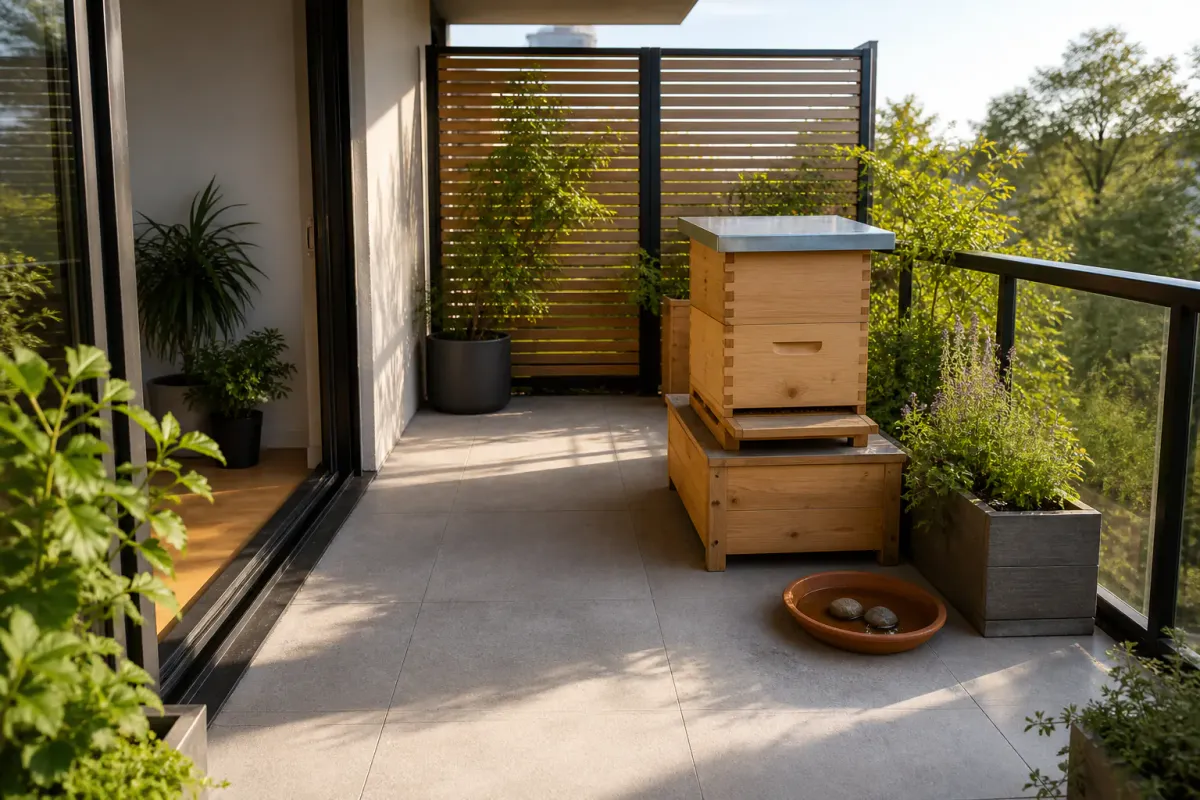
Approve the Site Before Announcing the Amenity
Ask qualified building professionals to assess structural capacity, roof protection, wind exposure, safe access and emergency routes. A beekeeper's willingness to install a hive does not replace that review. Confirm the applicable address-level beekeeping rules, property permissions and insurance arrangements.
Separate normal tenant circulation from hive work. Establish who can access the site, when inspections happen, where water will be maintained and who responds when bees become a nuisance. Use the rooftop setup guide to prepare questions for the site visit.
Compare Operator Proposals
| Scope | Ask the operator to specify | Building's responsibility |
|---|---|---|
| Installation | Equipment ownership, placement plan and removal terms | Site approval and access arrangements |
| Colony care | Seasonal inspection plan, records, swarm response and replacement policy | Named facilities contact and reliable access |
| Insurance | Evidence of coverage relevant to the work and exclusions | Review by the building's insurer and advisers |
| Tenant activities | Facilitator, group size, weather cancellation and safe participation plan | Invitations, accessible alternatives and incident procedure |
| Honey and reporting | Ownership, extraction, labeling responsibilities and actual yield records | Distribution policy and approval of public claims |
Request an itemized annual quote covering routine visits, travel, emergency callouts, consumables, replacements, events and end-of-contract removal. Record what happens when the roof becomes inaccessible or construction requires relocation. A low installation price alone does not describe the annual commitment.
A Tenant Program That Does Not Require Opening Hives
Start with an indoor orientation explaining the program, the site boundaries and how to report concerns. Offer a seasonal talk or a beekeeper's photo update so tenants can participate without approaching colonies. Make any supervised site visit optional and subject to the operator's safety assessment.
Pair the program with appropriate flowering plants and habitat education. A honey-bee installation is not, by itself, evidence of improved native-pollinator biodiversity. Avoid claiming environmental certification, carbon savings or higher lease renewals without supporting evidence.
Measure the First Season
- Completed care visits and documented colony-health observations.
- Tenant participation and feedback, including people using indoor alternatives.
- Complaints, incidents, response times and corrective actions.
- Actual operating spend and weighed harvest, including seasons with no surplus.
Review these with the operator before renewing. If safe access, reliable care or property permission cannot be maintained, consider a pollinator planting program or education partnership instead of an on-site hive.
Prepare Your Enquiry
For a local operator's quote, include the city, property type, proposed location, access schedule and desired education activities. Ask the operator to inspect the site before giving a final scope. Keep private tenant and medical information out of the enquiry.
For UrbanBee editorial or partnership enquiries, email our current editorial inbox. Include the city, building type and the resource or collaboration you have in mind. For corrections to local rules, use our source-correction guidance.
Official Requirements to Check
As an example of a municipal operating requirement, NYC's registration guidance covers registration, water and nuisance response. It applies to NYC, not every building. Use our state and city directory to start the local check.