Plant These Flowers for City Bees
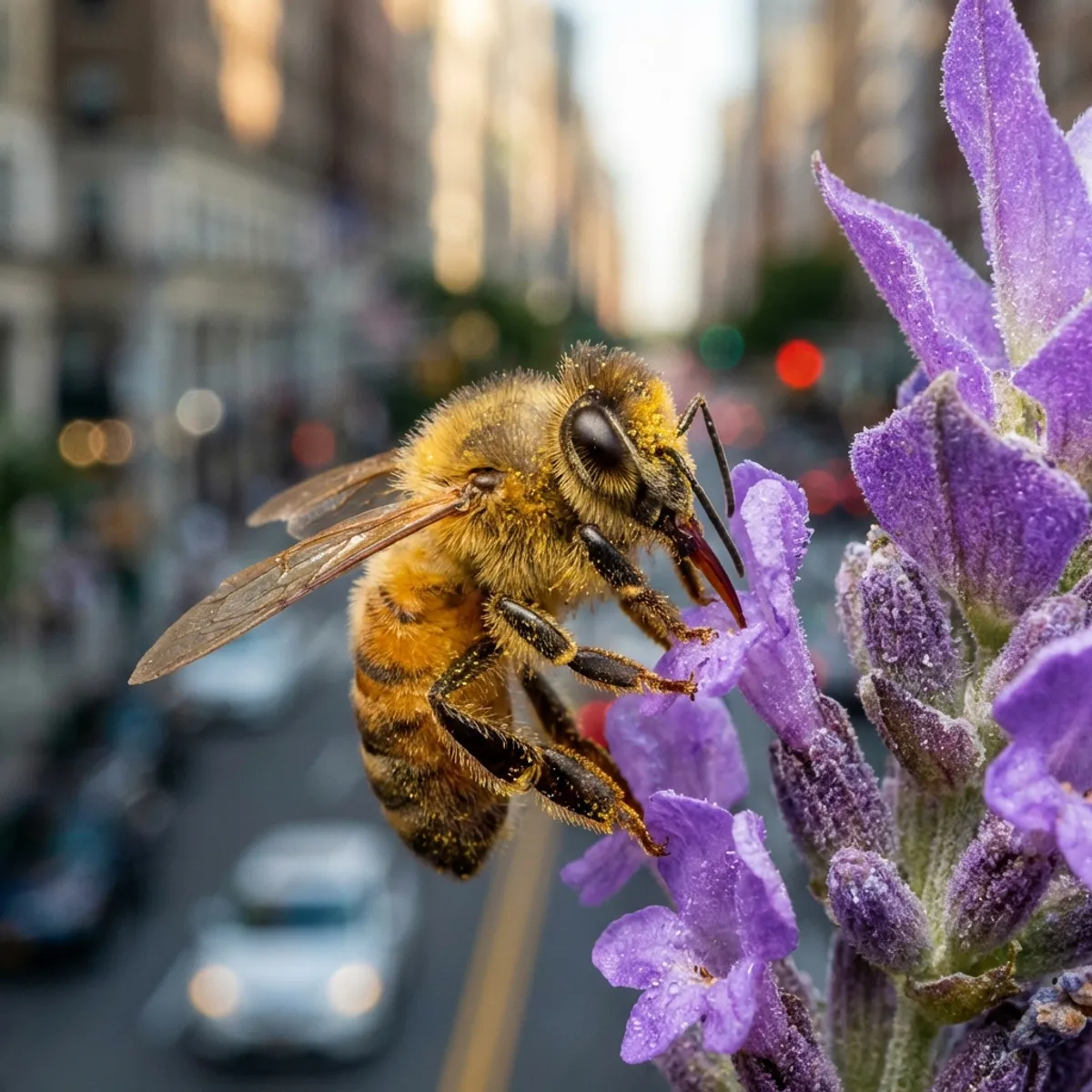
Urban beekeepers and gardeners can transform concrete jungles into vital pollinator havens by planting a variety of bee-friendly flowers. The key is to provide blooms across the seasons – from early spring through summer and into late fall – ensuring there’s always nectar and pollen available. Equally important is choosing single, open-form flowers (instead of double-petaled hybrids) so bees can easily access the goods. Below is a season-by-season guide to the best flowers for city bees, including Latin names and care tips, plus container gardening ideas for small spaces.
Curious how those flower visits add up? How much honey one bee makes explains the familiar teaspoon estimate and why it is not a formula for how many flowers a garden needs.
Early Spring Bloomers
Crocus (Crocus spp.)
- Among the first bulbs to bloom; provides early nectar and pollen.
- Plant corms in fall, 3 inches deep, in sun or part shade.
- Thrives in containers, lawns, and borders with well-drained soil.
Willow (Salix spp.)
- Male catkins bloom early with abundant pollen and nectar.
- Shrubby species like Salix caprea can be kept small with pruning.
- Prefers full sun and moist soils but tolerates varied urban conditions.
Summer Staples
Lavender (Lavandula spp.)
- High nectar yield; attracts honey bees and bumblebees.
- Requires full sun and well-drained, alkaline soil.
- Ideal for pots; prune after flowering to maintain shape.
Borage (Borago officinalis)
- Blue star-shaped flowers refill with nectar rapidly.
- Easy to grow from seed; thrives in poor soil and sun.
- Self-seeds; grow in deep pots due to long taproot.
Sunflowers (Helianthus annuus)
- Choose single-flowered, open-pollinated varieties for bee access.
- Plant after last frost; prefers full sun and regular watering.
- Use dwarf varieties like ‘Teddy Bear’ for containers.
Late Fall Sources
Goldenrod (Solidago spp.)
- Blooms late summer to fall; essential for honey stores.
- Choose clumping types like S. rugosa ‘Fireworks’ to prevent spread.
- Full sun, dry soil; cut back after blooming.
Asters (Symphyotrichum spp.)
- Daisy-like flowers in purple, pink, or white.
- Excellent nectar source for fall; attracts many pollinators.
- Grow in sun, well-drained soil; pinch in summer to prevent flopping.
Balcony Containers: Pollinator Plants in Pots
Herbs
- Thyme (Thymus serpyllum): Ground cover, full sun, great for bees.
- Chives (Allium schoenoprasum): Spring blooms, edible, sun-loving.
- Oregano (Origanum vulgare): Top performer for nectar; needs sun.
Lavender in Pots
- Use dwarf varieties like ‘Hidcote’.
- Full sun, well-drained potting mix.
- Allow soil to dry between waterings.
Annual Flowers
- Pot Marigold (Calendula officinalis): Long bloom season, easy to grow.
- Cosmos (Cosmos bipinnatus): Deadhead to prolong flowering.
- Zinnia (Zinnia elegans): Choose single varieties for bee access.
- Nasturtium (Tropaeolum majus): Edible, attracts bumblebees, good for hanging pots.
Mini-Shrubs and Perennials
- Sedum: Late summer bloom, drought-tolerant.
- Heath/Heather (Erica, Calluna): Winter bloomers for early bees.
- Dwarf Butterfly Bush (Buddleja): Summer flowers, highly attractive.
Container Tips
- Cluster pots for better visibility.
- Ensure full sun (6+ hours daily).
- Use drainage holes and avoid all pesticides.
Keep reading
Forage is one leg of the stool - water and placement are the others. See how to keep hives cool and watered in heat waves, what a well-sited city hive looks like, and the complete urban beekeeping guide for the full picture.