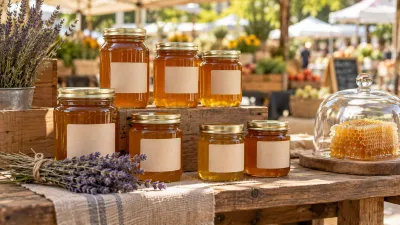
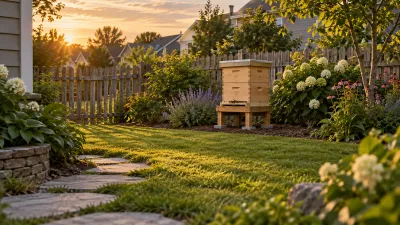
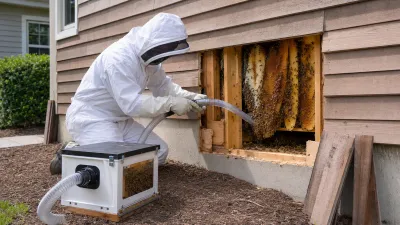
Can You Sell Honey From a Backyard Hive?
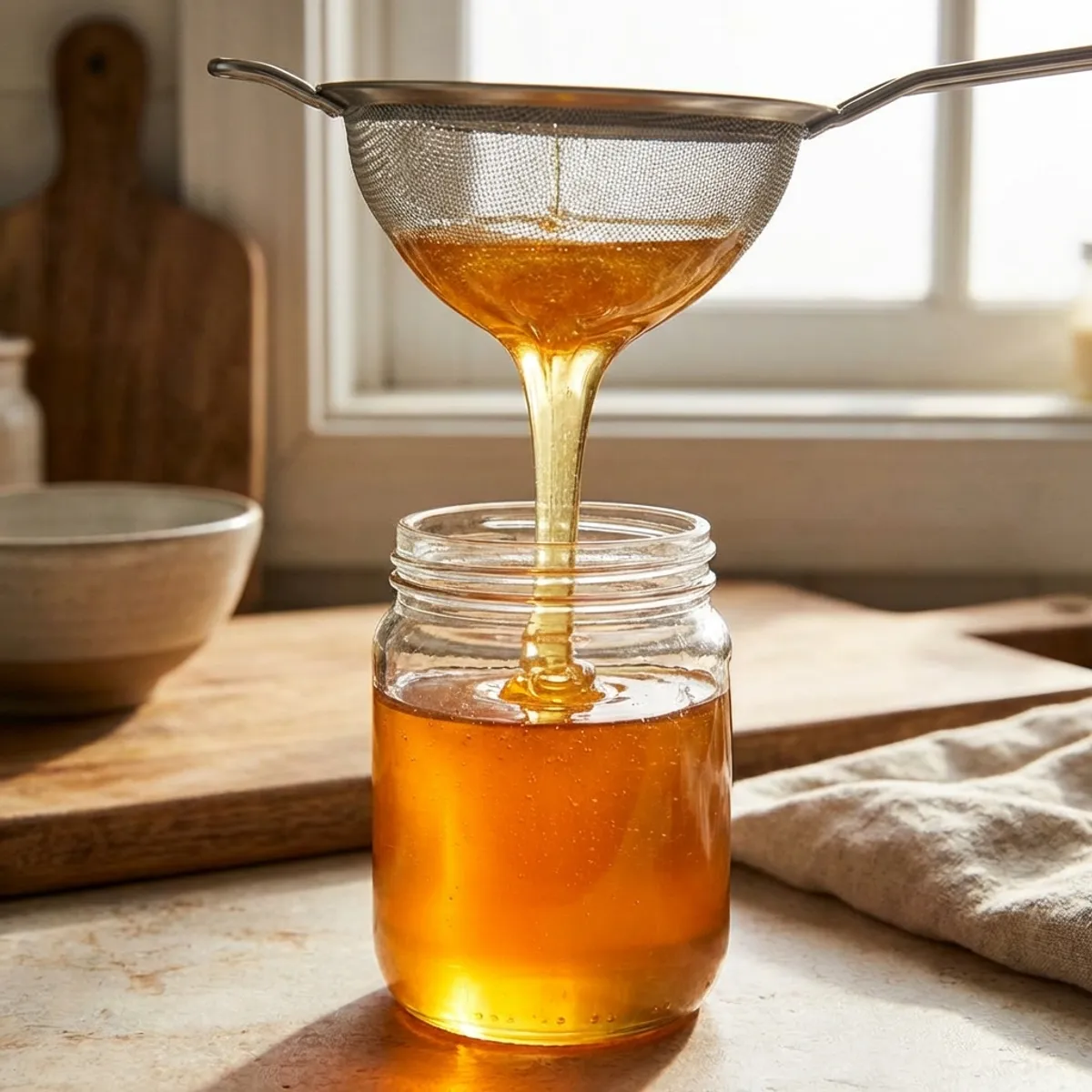
Sooner or later every city beekeeper has more honey than friends - and someone offers to buy a jar. The good news: in most of the U.S., selling small quantities of your own honey is legal and simple. The catch: the rules are state-by-state, the money is smaller than people imagine, and the mistakes (labels and health claims) are easy to avoid only if you know about them.
This is general information, not legal advice - cottage food rules change and vary by state and city.
The short answer
Usually yes, under cottage food laws. Nearly every state has a cottage food law (or a honey-specific exemption) allowing home-produced, shelf-stable foods - honey is the classic example - to be sold directly to consumers without a commercial kitchen or food-processor license. Typical patterns:
- Direct sales allowed: from home, at farmers markets, and often online-with-local-delivery.
- Labeling required: virtually everywhere (see below).
- Revenue caps: many states cap annual cottage-food sales; honey-specific exemptions sometimes have their own thresholds.
- Registration or training: some states require a simple registration, a food-handler card, or a home inspection; many require nothing for honey at small volumes.
- Extra layers in cities: a farmers-market permit, a local business license, or HOA rules about home businesses can apply even when the state exemption is generous.
Find your state in the National Agricultural Law Center’s cottage food compilation, then confirm on your state agriculture department’s site.
For the legal checks before your first sale, see selling honey from home under cottage-food and farm exemptions, including current state examples and a label-review checklist.
Labeling: where beginners get it wrong
The near-universal core label is: the word “honey”, your name and address, and the net weight in both pounds/ounces and grams. Many states add a disclosure line (“processed in a home kitchen not subject to state inspection”). Two rules of thumb keep you safe:
- No health claims. “Raw” and “local” are fine descriptions; “helps allergies,” “antibacterial,” or any medical language can reclassify your jar into drug-claim territory. The FDA’s honey labeling guidance is short and worth reading once.
- Call it what it is. If you add anything - cinnamon, comb, chili - most states treat it as a different product (“honey with cinnamon”) with its own rules.
Bottling & Packaging
Work from the net weight of strained honey before ordering jars. Our jars of honey per hive guide compares 8-ounce, 12-ounce, and one-pound fills, with allowances to consider for household use and handling losses. You can also calculate container requirements and leftover honey for any custom batch with our honey packaging calculator. Container capacity in fluid ounces is not the same as the honey’s net weight.
The realistic economics
Run the numbers before printing labels. A strong urban hive yields perhaps 20–60 lbs of surplus in a good year - after leaving the bees their winter share. At $10–$15 per one-pound jar direct to consumers, a good year grosses a few hundred dollars; jars, labels, lids, and market fees take their cut, and some years the surplus is zero. Selling honey pays for the hobby (see the full cost picture) - it rarely pays beyond it at backyard scale. The honest business case for most city beekeepers: premium price, tiny volume, zero marketing effort - neighbors and coworkers buy everything a couple of hives produce.
Liability and the city layer
Selling turns neighbors into customers, which is mostly good for community relations - but check two things: whether your homeowners or renters insurance says anything about business activity, and whether your city or HOA restricts home sales. And make sure the hives themselves are compliant first - the city law guides and the address-level legal check come before commerce.
Keep reading
If sales are part of why you’re starting, plan the whole pipeline: harvest methods that don’t require an extractor, the seasonal calendar that determines when honey is ready, and what it all costs before the first jar sells.