Queensland Beekeeping Laws: Registration & Brisbane
By UrbanBee Editorial TeamSources checked Oct 14, 2026
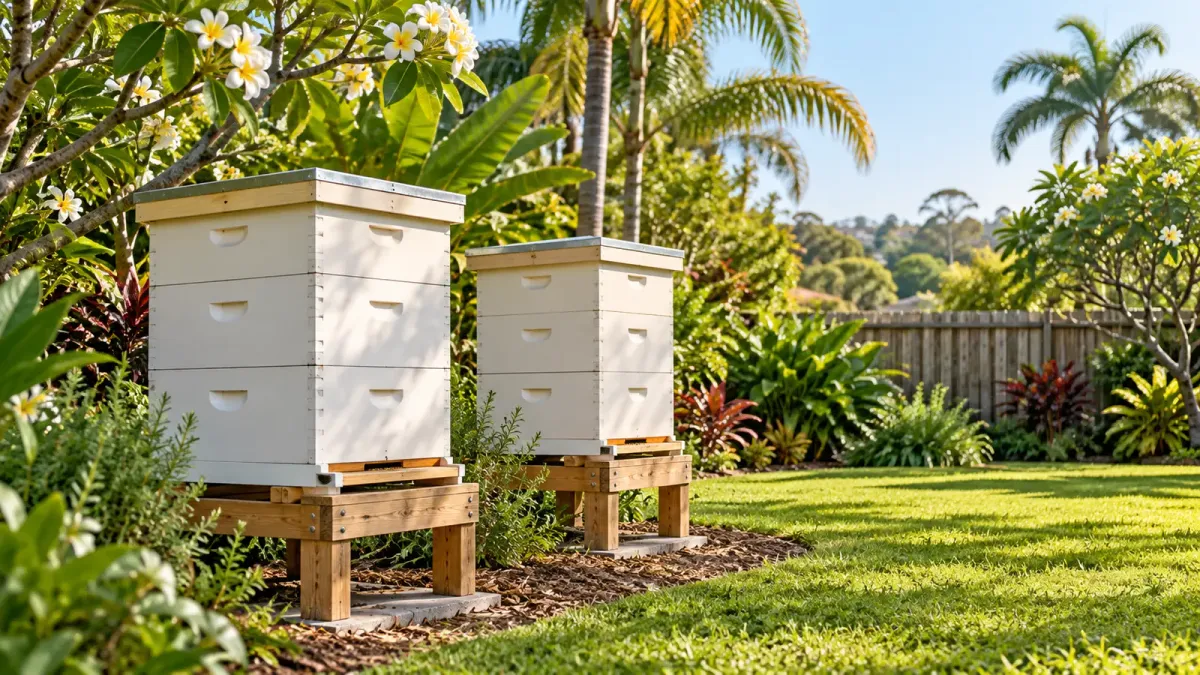
⚠️ Not Legal Advice: Summaries for educational purposes only. Verify with official Queensland authorities.
Queensland beekeeping laws require anyone keeping one or more European honey bee hives to register as a biosecurity entity and meet general biosecurity duties. Native stingless bee hives are treated differently for this registration requirement. Council and property restrictions still need a separate check.
Register through Biosecurity Queensland’s current portal, record the apiary locations and ask your local council about the proposed address before installing bees. For Brisbane, verify the actual local rule instead of relying on a small-lot table copied from another Queensland council.
Queensland registration and local placement
| Topic | State position | Brisbane property check |
|---|---|---|
| Registration | Required from 1 European honey bee hive | State registration still applies |
| Fees | Non-commercial registration free; commercial charges can apply | Confirm any local approval charges |
| Identification | A HIN is allocated to the registered entity | Follow state marking requirements |
| Hive numbers and permits | No single residential allowance for every council | Ask about the actual lot, land use and proposal |
| Boundary placement | Local restrictions and nuisance duties apply | Confirm distances and barrier conditions in writing |
| Health management | General biosecurity obligation | Water, flight paths and responsible hive management |
Registration, a HIN and a Premises Identification Code are administrative concepts with different purposes. Follow the portal’s directions for your operation rather than assuming that every bee keeper must apply separately for a livestock PIC.
Register European honey bee hives and keep details current
The state registration and branding guidance explicitly includes one-hive operations and excludes native beehives from this registration requirement. Where several people share ownership, establish who is the registrable entity.
Keep hive numbers and locations accurate, including when the operation downsizes or stops. Retain the registration and renewal information so you can respond to a biosecurity event or an inspection.
The Queensland legal requirements page links registration with the general biosecurity obligation. A small hobby apiary still needs active pest management and records appropriate to its activities.
HIN branding: the Queensland rule
Queensland requires at least one hive in every 50 to be branded with the entity’s HIN, and recommends marking all hives for tracing and recovery. The mark belongs on the front, in legible block letters at least 25 mm high.
Read the official placement instructions if a box already carries an old brand. Do not leave the previous owner’s identity as the only visible identification after a transfer.
Our overview of Australian hive brand identification laws explains why marking rules vary across states. A Queensland HIN instruction should not be applied unchanged to a Victorian or NSW apiary.
Brisbane councils, permits and small lots
Brisbane’s Animals Local Law 2017 defines animals as vertebrates and repeals the 2003 animal laws. Its general animal schedules should not be applied to honey bees. Ask the council which current provisions and site-specific planning conditions govern the proposal.
The reviewed sources do not verify a universal two-hive allowance for lots between 400 and 800 square metres or a blanket one-metre boundary rule. Similar figures can come from other councils or rules for other animals.
Send council a plan showing the street address, lot size, neighboring occupied areas, roads, paths, entrances, water source and any screening. Request the applicable code or policy and the approval process. Greater Brisbane includes other local government areas; a Brisbane City Council answer does not automatically govern them.
Subtropical water, heat and small hive beetle management
Queensland’s hive-management guidance emphasizes preventing nuisance and supplying water before placing bees in a backyard. Warm weather can send foragers toward pools and other yards if the apiary water dries out.
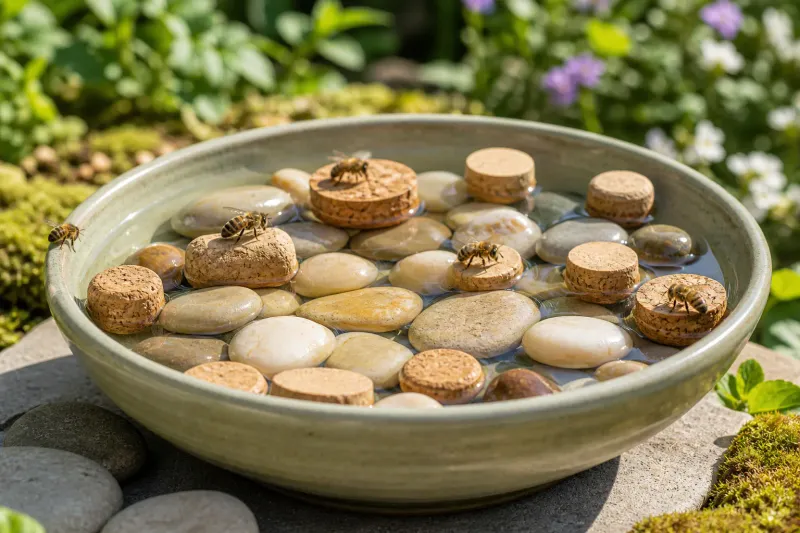
Keep inspections manageable, avoid exposing honey or comb, and seek local advice about small hive beetle pressure and other pests. A weak or unmanaged colony should not be left to collapse while the beekeeper waits for the next season.
Our guide to managing beehives in extreme summer heat helps plan shade, water and access. A tropical setting does not make a shaded, exposed or inaccessible site automatically suitable.
Varroa and movement checks
Use the state’s current Varroa guidance to select an accepted monitoring method and keep results and treatments together. In an alcohol wash, exclude the queen because the sampled bees are killed.
Check current requirements immediately before moving bees, hives or used equipment. Public forests and protected land can need separate apiary permits even when the beekeeper is registered.
Complete the state registration and property review before installation, then maintain water, calm colonies and a reachable contact for complaints.
The images are generated illustrations, not measured Brisbane lots or approved branding examples.
Current Brisbane local-law checks
Our Brisbane beekeeping guide explains why the repealed 2003 animal-law tables and the current law’s general animal schedules cannot be treated as verified bee-specific permissions. It provides an address-based council and property workflow alongside Queensland registration.
Frequently asked questions
Do I have to register one Queensland honey bee hive?
Yes. Anyone keeping one or more European honey bee hives must register as a biosecurity entity. Native beehives are exempt from that honey bee registration requirement.
Is Queensland hobby beekeeper registration free?
Non-commercial beekeepers do not pay a registration fee under the current guidance. Commercial registration can incur a charge; check the portal for the current classification and renewal process.
Must every Queensland hive be branded?
Queensland requires at least one out of every 50 hives to carry the allocated HIN and recommends marking all hives. The front-of-hive mark must remain legible and use block letters at least 25 mm high.
Can I assume a Brisbane small lot allows two hives?
No. The reviewed current sources did not verify a universal 400–800-square-metre allowance or one-metre hive setback. Confirm the requirements for your address with Brisbane City Council.