Houston Beekeeping Rules: No Zoning, Real Limits
By UrbanBee Editorial TeamSources checked Jul 26, 2026
⚠️ Not Legal Advice: Summaries for educational purposes only. Verify with official Houston, TX authorities.
Houston is unusual among big U.S. cities: it has no conventional zoning code, and as of our last review we found no Houston ordinance that specifically regulates hobby beekeeping. That does not mean anything goes. In Houston, the rules that stop a beehive usually come from somewhere other than city hall - and they can be stricter than zoning would have been.
Is beekeeping legal in Houston?
Generally yes, by omission. The City of Houston’s Code of Ordinances regulates animals broadly (Chapter 6) but does not single out honey bees the way Austin’s code does. With no zoning districts, there is no “residential zone” rule to violate. In practice, Houston beekeepers are governed by four other layers:
- Deed restrictions. Houston famously substitutes deed restrictions for zoning, and the city actively enforces them. Many subdivisions’ restrictions ban livestock, “apiaries,” or animal-keeping beyond household pets. This is the single most important document to check - a deed restriction can prohibit hives even though no city ordinance does.
- HOA rules. Separate from deed restrictions, HOA covenants frequently restrict structures and animal-keeping in yards.
- Nuisance law. Texas nuisance principles still apply: if your bees interfere with neighbors’ use of their property - persistent stinging, swarms, bees massing at a neighbor’s pool - you can face complaints and civil liability regardless of legality.
- State law. The Texas Apiary Inspection Service (TAIS), under Texas Agriculture Code Chapter 131, regulates bee health statewide: disease control, quarantines, and permits for moving bees into Texas from other states. Check TAIS’s current guidance on registration and permits before buying or moving colonies.
Houston-specific realities
Heat is the management problem. Houston’s long, humid summers mean afternoon shade, ventilation, and reliable water matter more than winter prep. Our guide to protecting hives in heat waves applies for most of the Houston season, and bearding behavior is something Gulf Coast beekeepers see weekly, not occasionally.
Year-round colonies, year-round Varroa. Mild winters mean brood nearly all year - and Varroa mites never get a brood break. Test monthly and plan treatments; start with our guide to identifying Varroa mites.
Hurricanes and storms. Strap hives, use heavy lids, and have a plan for tropical-storm winds. The anchoring techniques in our rooftop setup guide apply to ground hives in storm country too.
Neighbors and pools. Dense subdivisions plus backyard pools is the classic complaint recipe. Provide water from day one and read what to do when neighbors complain.
Before you install a hive in Houston
- Pull your subdivision’s deed restrictions (your title documents or the county clerk) and read them for animal, livestock, or apiary language.
- Check your HOA covenants, if applicable - and get any approval in writing.
- Review TAIS requirements for registration, and permits if your bees are coming from out of state.
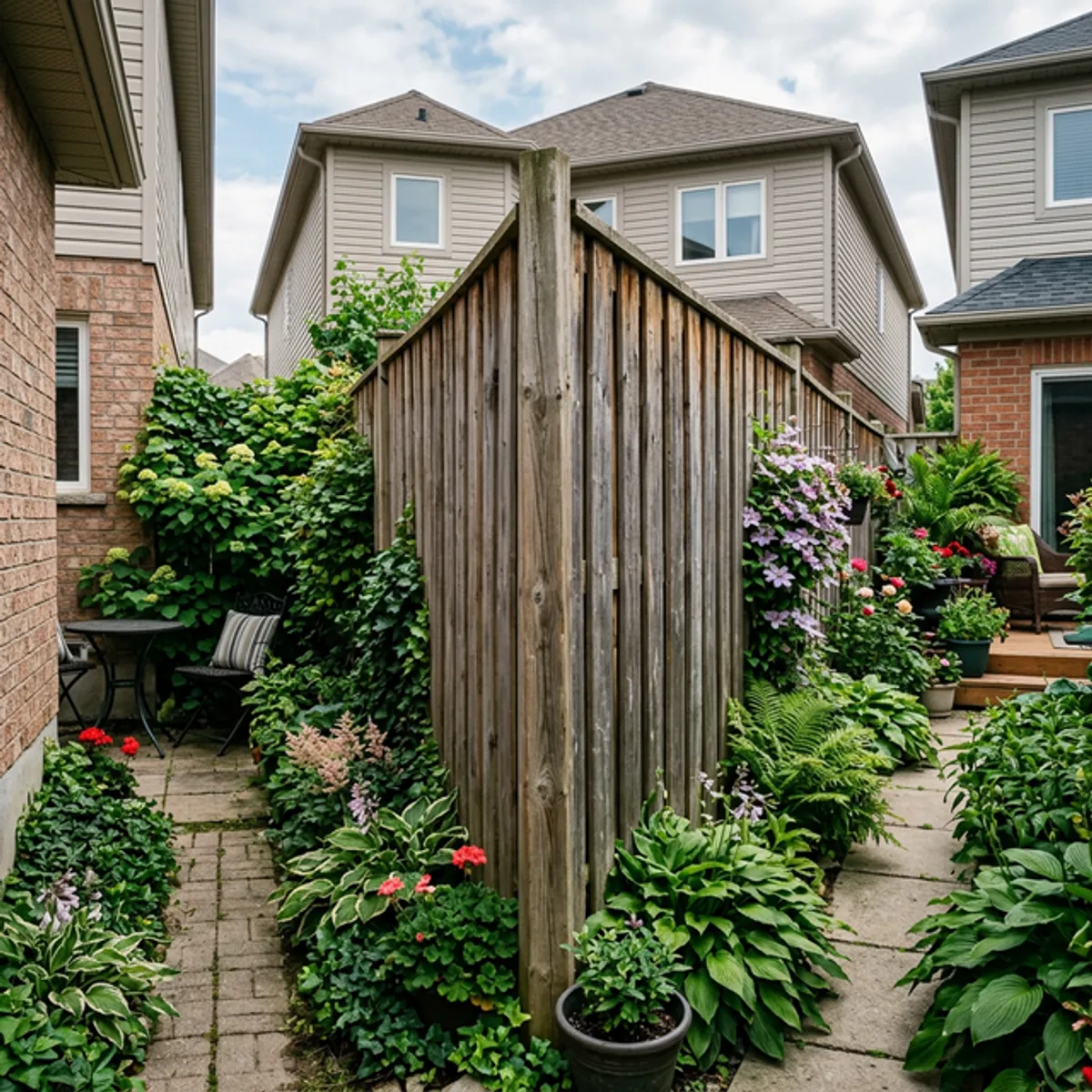
- Site the hive defensively: privacy-fence flyway barrier, water source, afternoon shade.
- Recheck everything before expanding - our beekeeping laws by address guide shows how to research each layer for any Texas property.
For the statewide picture - TAIS, Chapter 131, and how Austin differs - see our Texas beekeeping laws overview.
Not legal advice. Deed restrictions and state rules change - verify your specific property before installing hives.