California Beekeeping Laws: Registration & Local Rules
By UrbanBee Editorial TeamSources checked Aug 9, 2026
⚠️ Not Legal Advice: Summaries for educational purposes only. Verify with official California authorities.
California beekeeping rules operate in layers. The state requires apiary registration, while the city or county, the property’s zoning and approvals, private agreements, and nuisance rules determine whether a particular hive location works.
State registration: what the current sources say
California Food and Agricultural Code § 29040 requires an owner, broker, or person possessing a California apiary on January 1 to register the number of colonies and each apiary location on January 1 or within 30 days afterward. The process is handled through county agricultural commissioners.
CDFA states that apiary registration and registration fees are required beginning January 1, 2026. Because county procedures and charges can change, use the current CDFA program page and confirm the filing method with the agricultural commissioner’s office for the county where the apiary is located.
This is an annual state registration duty. It does not replace local zoning review or permission from a landlord, condominium association, homeowners association, community-garden operator, or rooftop owner.
Local rules still control placement
California does not provide one residential hive-placement standard for every address. Local governments can regulate matters such as:
- whether beekeeping is permitted in a particular zone;
- hive density and lot-size limits;
- setbacks, barriers, water, and entrance orientation;
- permits, notices, inspections, and nuisance enforcement; and
- rooftop, multifamily, fire-access, and building-safety constraints.
Our pages for Los Angeles, San Francisco, and San Diego summarize different local systems. They are examples, not statewide rules. Los Angeles also has two zoning codes in effect, so the applicable code must be determined for the parcel.
Before installing a California hive
- Identify the city or unincorporated county jurisdiction for the full address; do not rely on the ZIP code alone.
- Read the current zoning and animal or nuisance code, plus any parcel-specific approvals.
- Contact the county agricultural commissioner about annual apiary registration and the current fee process.
- Obtain written property, lease, condominium, HOA, garden, or rooftop approval where applicable.
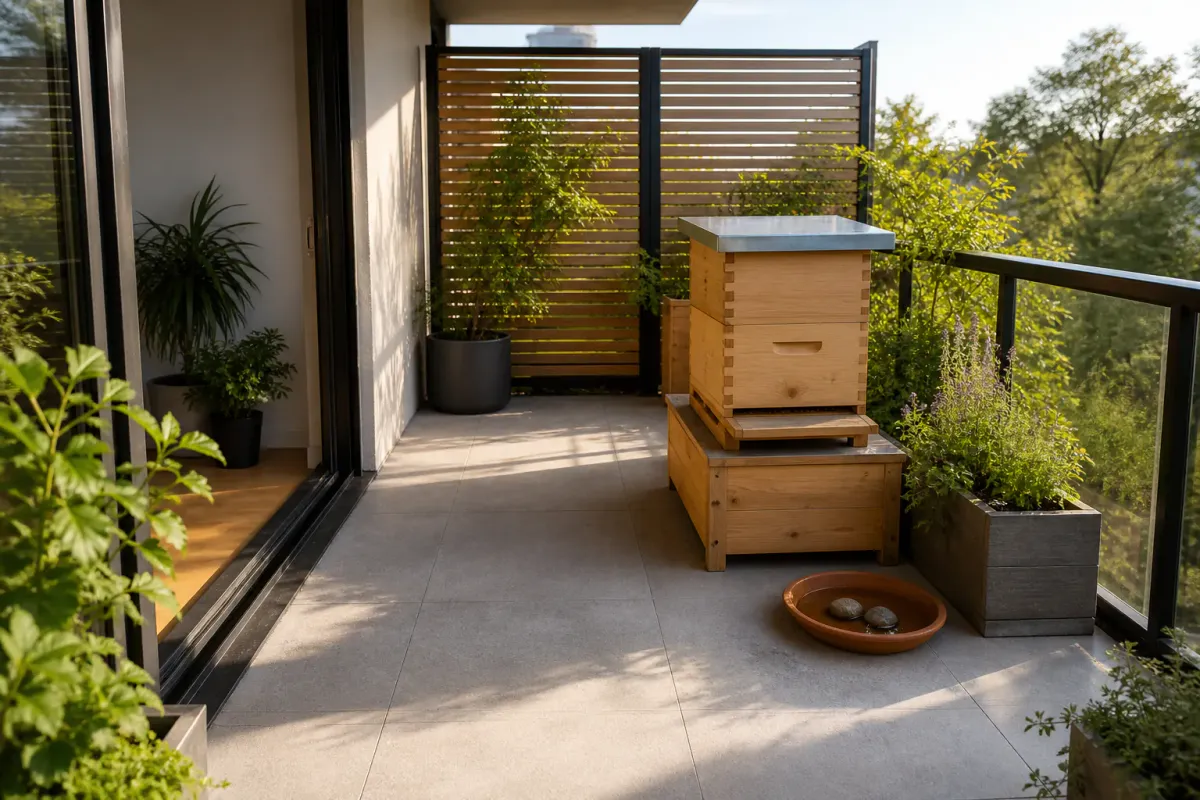
- Plan a permanent water source, a managed flight path, safe working clearance, swarm control, and neighbor communication.
- Recheck official sources immediately before ordering bees or moving colonies.
Use the address-level legal-check workflow when your city is not covered, then follow the beginner setup plan.
Not legal advice. Sources were checked August 9, 2026. Verify current requirements with CDFA, the relevant county agricultural commissioner, and the local land-use authority before installing or moving hives.