Neighbors Complaining About My Bees: What Do I Do
Disclosure: UrbanBee is reader-supported. When you buy through links on our site, we may earn an affiliate commission at no extra cost to you. Learn more.
Receiving a complaint from a neighbor about your beehive is one of the most stressful experiences for an urban beekeeper. In the city, your hobby directly impacts those living inches away on the other side of a fence or balcony wall.
When a neighbor complains, it’s crucial to react with empathy, not defensiveness. Your goal is de-escalation and practical problem-solving. Failure to address a reasonable complaint can result in city inspectors forcing you to remove your hive.
Here is a step-by-step guide to handling neighbor complaints and fixing the underlying issues. (For a complete overview of city beekeeping rules, see our Ultimate Guide to Urban Beekeeping).
Step 1: Listen and Categorize the Complaint
Don’t immediately interrupt with bee facts (“Actually, honey bees die when they sting!”). Listen to their concern. Almost all complaints fall into one of four categories:
- Fear and Anxiety: They are simply afraid of bees and don’t want them near their children or pets.
- Water Foraging: Your bees are congregating at their swimming pool, birdbath, or leaky outdoor faucet.
- Defecation: Bees take cleansing flights in the spring, leaving yellow, sticky droppings on the neighbor’s freshly washed car or white laundry.
- Aggression/Stings: The neighbor was actually stung or chased in their own yard. (If this is the case, immediately read Bees Attacking Neighbors: What to Do and How to Calm an Aggressive Hive).
Step 2: Immediate De-escalation
Apologize that the bees are causing them distress. Validate their feelings. Offer them a jar of your best honey—this simple gesture solves about 50% of all minor neighbor disputes.
Promise them you will investigate the issue and take steps to mitigate it within 48 hours.
Step 3: Implement Practical Solutions
Once you know the root of the complaint, fix it.
Fixing Water Foraging (The Pool Problem)
Bees use water to dilute crystallized honey and evaporate it to cool the hive in summer. If they find your neighbor’s pool, it is very hard to break that habit.
- The Fix: You must provide a better water source closer to the hive. Set up a chicken waterer filled with pebbles, or a birdbath with corks floating in it so they don’t drown. Add a pinch of salt—bees prefer slightly mineralized water!
Fixing Flight Path Issues (Fear & Defecation)
If your hive entrance points directly at your neighbor’s patio, the bees’ main flight path goes right over their heads.
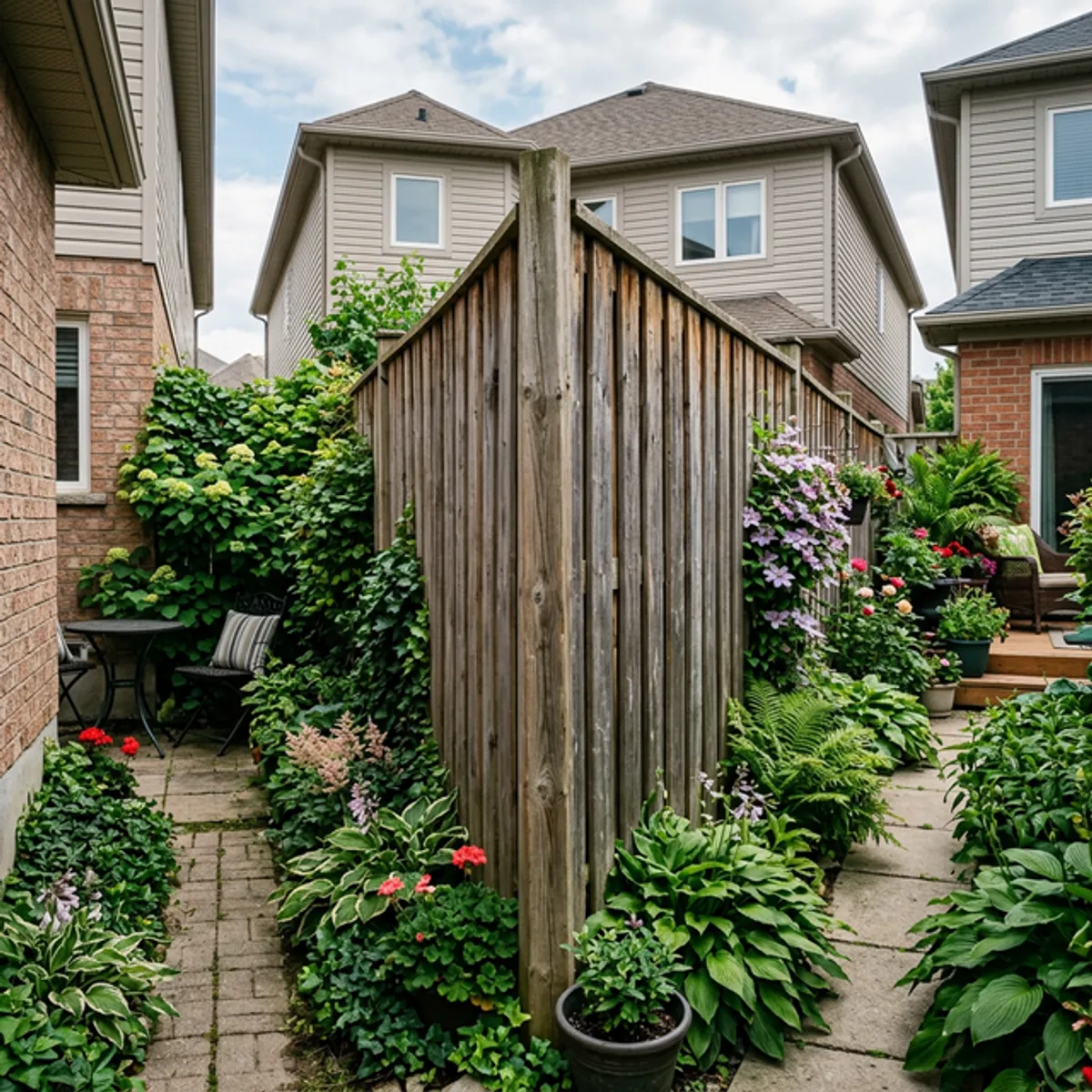
- The Fix: Install a solid 6-foot wooden fence, a shade sail, or a tall hedge about three feet in front of the hive entrance. This forces the bees to fly sharply upward immediately upon exiting the hive, keeping their flight path high above human heads.
Addressing Bee Feces
Bee poop (mustard-yellow spots) is mostly an issue in early spring after the bees have been cooped up all winter.
- The Fix: Offer to pay for a car wash. Consider shifting the direction the hive faces so the primary flight path avoids their driveway or clothesline.
Step 4: Know Your Local Laws
While you should strive to compromise, it is also important to know your rights. Research your city’s specific municipal codes regarding apiaries. (Use our Search feature to look up your city).
- Are you within the legal limit for the number of hives per square foot of lot size?
- Are you adhering to setback requirements from property lines?
- Is your colony registered with the state apiarist?
If you are 100% compliant with local laws, you have legal standing. Most cities have “Right to Farm” laws that protect hobbyist beekeepers, provided the hive is not deemed a “public nuisance” due to gross negligence or high aggression.
The Proactive Approach
The best way to handle a complaint is to prevent it. Before getting bees, talk to your neighbors. Explain the benefits, promise them honey, and give them your phone number so they can reach out to you before they call the city ordinances office!
Need help keeping your colony healthy so it doesn’t swarm into their yard? Bookmark our Urban Hive Management & Health Hub.