Urban Hive Management & Health: Keeping Your Bees Thriving
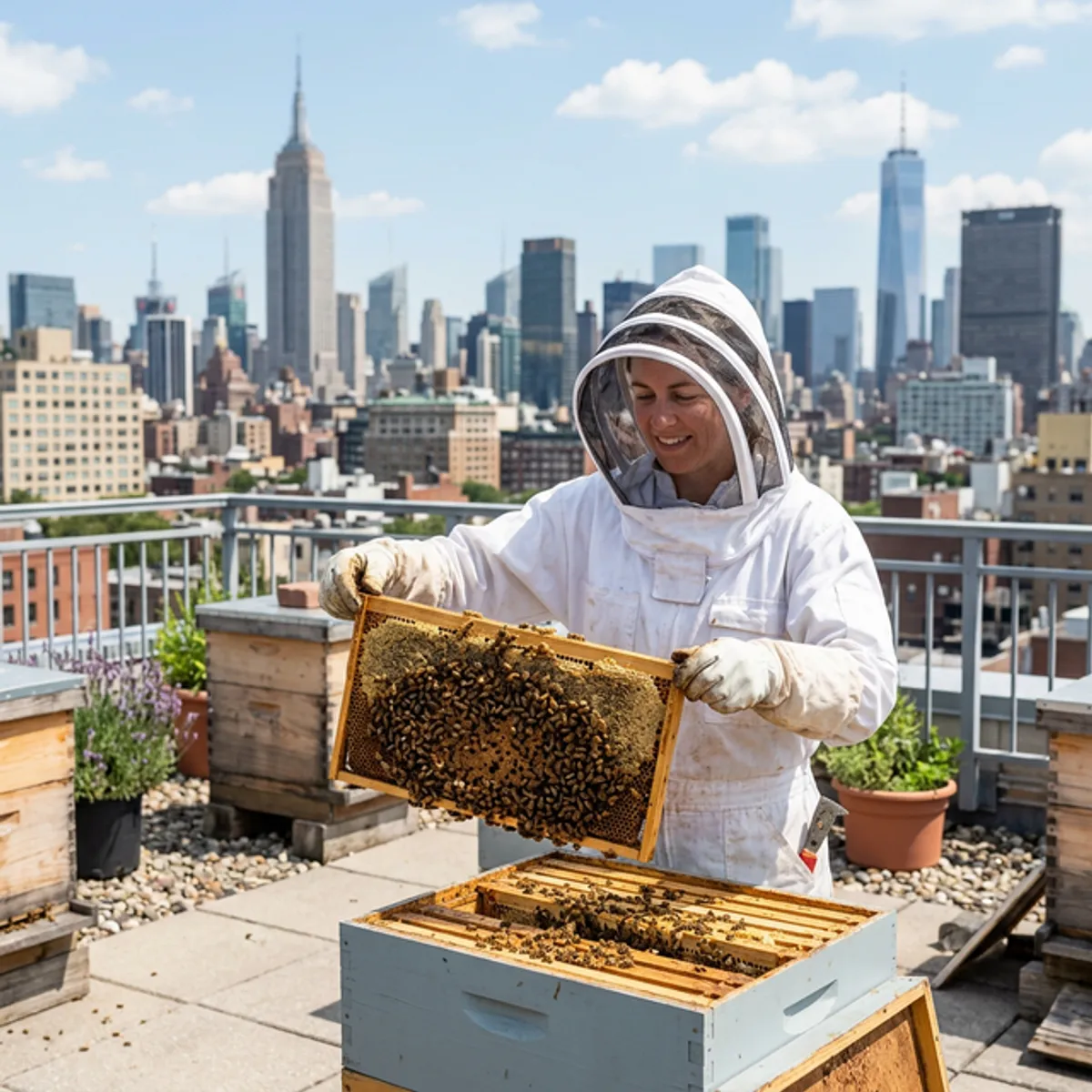
Disclosure: UrbanBee is reader-supported. When you buy through links on our site, we may earn an affiliate commission at no extra cost to you. Learn more.
Once your bees are installed and drawing comb, the real work of beekeeping begins. Urban hive management requires a proactive approach. In the city, you don’t have the luxury of letting a colony grow aggressive, swarm into a neighbor’s yard, or collapse from disease.
This page serves as your central hub for ongoing hive care and troubleshooting. Whether you are wondering why your bees are suddenly cranky, or trying to figure out if that smell is goldenrod or foulbrood, bookmark this page as your diagnostic starting point.
Seasonal Management
Your management strategy changes dramatically with the seasons.
- Spring: Focus on expansion, feeding if necessary, and preventing the colony from swarming. Routine inspections every 7–10 days are required. Read our Guide to Swarm Prevention.
- Summer: Focus on heat management, watching out for nectar dearths, and pest control. Prevent robbing by reducing entrances.
- Fall: Focus on feeding for winter weight, final mite treatments, and harvesting excess honey.
- Winter: Focus on windbreaks, moisture control, and leaving the bees strictly alone to conserve heat. Read our Guide to Winterizing a Rooftop Hive.
Diagnosing Common Problems
Even the best beekeepers run into issues. By catching them early, you can save your colony (and maintain good relationships with your neighbors).
Behavior and Temperament
Urban bees must be gentle. If your bees are suddenly aggressive, there is almost always an underlying stressor.
- Coming soon: How to Calm an Aggressive Urban Beehive
Odors and Hygiene
Bees are generally very clean, but certain smells can indicate disease—or just a specific nectar flow.
- Coming soon: Why Does My Beehive Smell Bad? Goldenrod vs. Disease
Pests and Disease
Varroa mites are the number one killer of managed honey bee colonies. Integrating a solid IPM (Integrated Pest Management) strategy is non-negotiable.
- Coming soon: How to Identify Varroa Mites in a City Hive
- Coming soon: Signs of American Foulbrood vs. European Foulbrood
- Coming soon: Best Treatment for Ants Around My Hive
Neighbor Relations and Crisis Control
Keeping your neighbors happy is just as important as keeping your bees happy. If an emergency happens, handle it swiftly.
- Coming soon: Neighbors Complaining About My Bees: What Do I Do
- Coming soon: What to Do With a Small Swarm on My Balcony
(This hub will be updated continuously as we publish more detailed troubleshooting guides. Check back soon!)