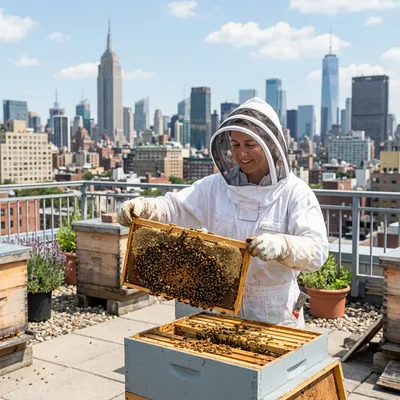
Swarm Prevention for Urban Beekeepers
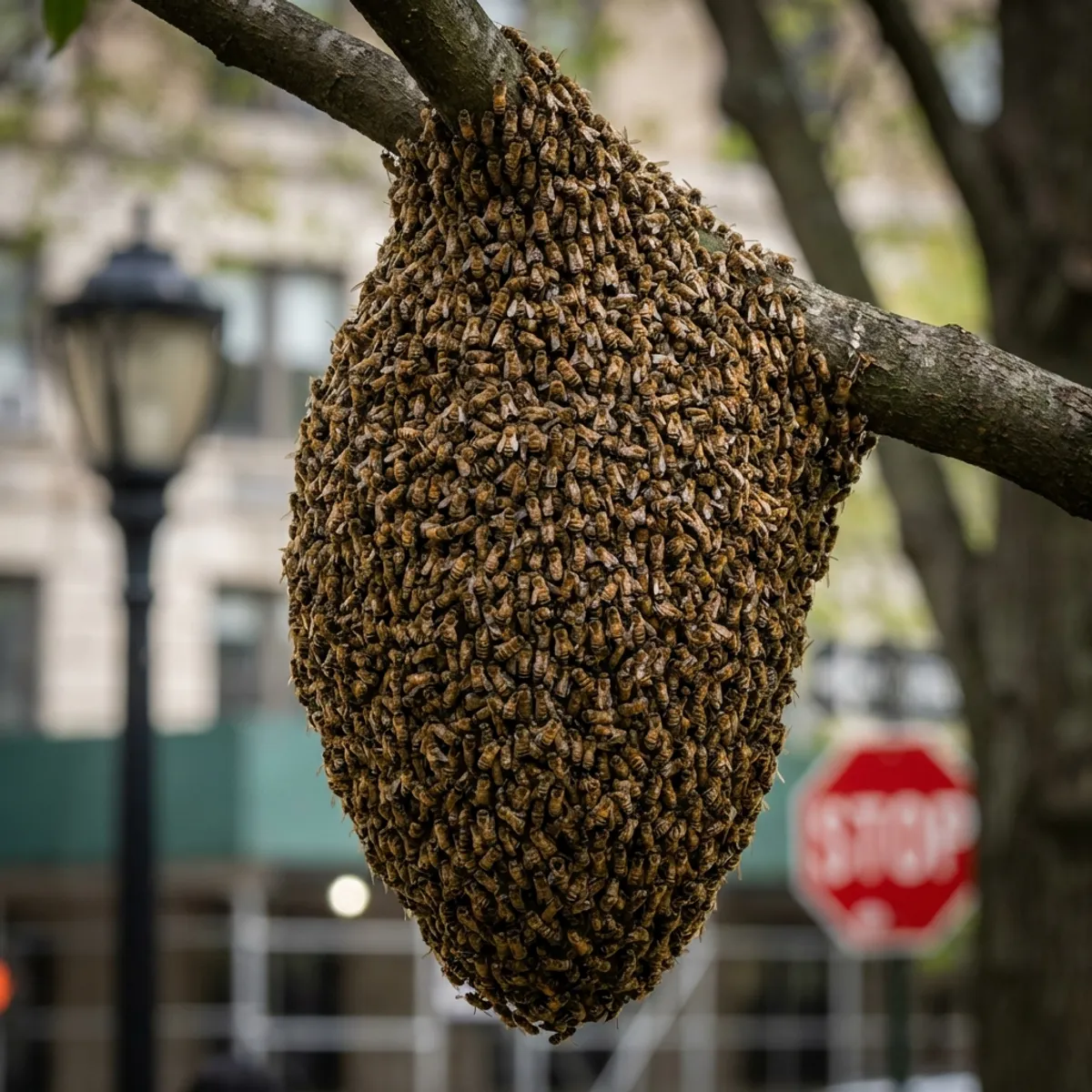
Urban beekeeping comes with unique responsibilities. One of the biggest is preventing your honey bees from swarming and causing alarm in the neighborhood. This practical guide for beginner and intermediate beekeepers explains why bees swarm, how to recognize warning signs, techniques to prevent swarming, and what to do if a swarm occurs – all with a focus on responsible hive management and being a good neighbor. (New to the hobby? Start with our Ultimate Guide to Urban Beekeeping).
The Science: Why Bees Swarm
Honey bee swarming is how a colony naturally reproduces itself. When a hive becomes crowded and is thriving, the bees prepare to split into two colonies by swarming. Overcrowding is a main trigger: a booming spring population can fill every comb, leaving the queen no place to lay. In an overcrowded hive, the queen’s pheromones (which normally keep the colony unified) don’t reach all the workers; this, along with a possibly aging queen, prompts them to raise new queen cells and swarm.
Swarming usually happens in spring when nectar is abundant and the weather warms. It’s normal behavior, but in a city a big swarm can be alarming to people. That’s why urban beekeepers work to prevent swarms.
Warning Signs
Bees often give advance warning that they’re preparing to swarm. By knowing what to look for, you can intervene before it happens. Key indicators of a potential swarm include:
- Queen cells: Peanut-shaped queen cells on the comb (often at the bottom of frames) mean the bees are raising a new queen – a clear sign they’re getting ready to swarm.
- Crowding and backfilling: The hive is packed with bees, and the brood nest (egg-laying area) is being filled with nectar or honey instead of eggs. This lack of open space is a strong precursor to swarming.
- Behavior changes: Large clusters of bees “bearding” (hanging outside the hive), an unusual surge in the number of drones, or the queen suddenly laying far fewer eggs – a normally calm colony may also appear more restless than usual.
Regular inspections are critical during swarm season. Check your hives every 7–10 days in spring and early summer. Look for the signs above, especially any queen cells or overcrowding. If you spot these warning signs, act quickly using one of the prevention techniques below. It’s much easier to prevent a swarm than to capture one after it’s flown into your neighbor’s yard.
Techniques to Prevent Swarming
Preventing swarms means being proactive about relieving the conditions that lead to swarming. Here are a few effective techniques for urban beekeepers:
Checkerboarding
Checkerboarding adds empty space in the honey supers to fool bees into thinking they have plenty of room. In early spring, alternate frames of stored honey with empty frames or drawn comb above the brood nest, creating a checkerboard pattern. This breaks up the solid honey “ceiling” that can make bees feel cramped. With gaps above, the bees sense space to expand and are less likely to think the hive is full.
Do this before the colony starts raising swarm cells. Checkerboarding doesn’t disturb the brood and only requires some empty frames or comb, so it’s an easy, effective way to reduce the swarm impulse.
Opening the Brood Nest
Opening the brood nest means giving the queen more room to lay in the heart of the hive. One way to do this is to insert an empty frame (or one with foundation) into the center of the brood box among the brood frames. This creates a gap of open comb where the queen can lay new eggs, relieving congestion in the nursery.
Some beekeepers also remove a frame of capped brood and replace it with an empty one to instantly free up space. Either way, expanding the brood area prevents workers from filling it with honey and reduces the urge to swarm.
Do this in spring when the colony is strong and the weather is warm enough so you don’t chill any brood.
Splitting Hives
Splitting a hive is like creating an artificial swarm under your control. You divide one strong colony into two smaller colonies, instantly easing overcrowding.
To split, set up an extra hive box or nuc and move the old queen into it with several frames of brood, bees, and stores. Leave plenty of brood (and a queen cell or eggs) in the original hive so they can raise a new queen. Now you have two colonies instead of one. Each has more space and fewer bees, which greatly reduces the urge to swarm.
Splitting requires extra equipment and leaves you with an additional colony to manage (or give away), but it’s one of the most reliable swarm prevention methods.
Emergency Plan: What to Do If They Swarm on a Neighbor’s Porch
Even with precautions, a swarm might still happen. If your bees do swarm and settle on a neighbor’s property, handle it quickly and thoughtfully. Here’s a plan:
1. Stay Calm and Notify the Neighbor
When you discover your bees have swarmed next door, take a deep breath and act quickly. Let your neighbor know you’re aware of the situation and will take care of it immediately. Apologize for the inconvenience. Reassure them that swarming bees are usually gentle (they have no home to defend) and that you have a safe removal plan. Calm, proactive communication can greatly ease their concern.
2. Ensure Safety and Prepare
Keep everyone at a safe distance. Politely ask that people (and pets) stay clear of the area and that no one tries to spray or disturb the bees. Next, put on your protective gear (at minimum a veil and gloves, ideally a bee suit). Gather your tools to retrieve the swarm: a ventilated box or nuc to hold the bees, pruning shears if a branch needs cutting, and a soft brush to help gently sweep bees. Being prepared will make the removal quicker and safer.
3. Capture and Remove the Swarm
Approach the swarm slowly and confidently. If it’s hanging from a branch, hold your box underneath and give the branch a firm shake so most of the bees drop in. If they’re clustered on a fixed object like a fence or porch, gently scoop or brush them into your container.
Aim to get the queen and the majority of bees inside. Once you have most of the swarm in the box, cover it and carefully carry it away from your neighbor’s property. Any stragglers should disperse or follow the queen’s scent into the box.
If the swarm is too high or hard to reach safely, call a local beekeeper or swarm removal service for help rather than risk injury.
4. Follow Up and Maintain Goodwill
Relocate the captured swarm to a proper hive as soon as possible. Then let your neighbor know that the bees are gone and thank them for their understanding. Offering a small gift, like a jar of your honey, as an apology can help smooth things over. Assure them you’ll keep working on preventing swarms to avoid a repeat incident. By handling the situation responsibly and courteously, you show that you’re a considerate beekeeper and a good neighbor.