Getting Started with Urban Beekeeping

Introduction: Why Keep Bees in the City?
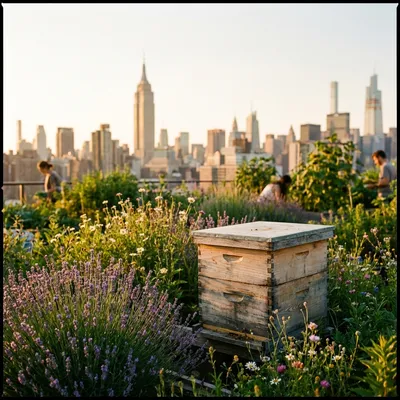
Urban beekeeping may seem counterintuitive—but honey bees often thrive in cities. Unlike rural monoculture farms, urban environments offer biodiversity: trees, ornamental gardens, rooftop planters, and city parks supply bees with nectar and pollen nearly year-round.
Benefits of city beekeeping:
- Pollination of urban green spaces and community gardens
- Local honey production—free of agricultural pesticides
- Sustainable hobby that contributes to ecosystem health
- Educational opportunities for families and communities
Cities like New York, San Francisco, Toronto, and Paris have embraced beekeeping as a climate-friendly, community-building initiative. It’s a meaningful way for urbanites to reconnect with nature—on rooftops, balconies, or in shared green spaces.
Challenges: Space, Neighbors, Legalities
Urban beekeeping comes with special responsibilities. You’ll need to plan around limited space, close neighbors, and legal codes that vary by city.
Limited Space
You don’t need a large yard to keep bees. A single Langstroth hive requires only a 3 ft x 3 ft area. Suitable locations include:
- Rooftops (flat, accessible, structurally sound)
- Balconies or terraces (with sunlight and wind protection)
- Community gardens (with permission)
- Shared backyards
Requirements for urban hives:
- Morning sun and afternoon shade (ideal for bee activity)
- Dry, level ground or platform (to prevent moisture buildup)
- Accessible for inspections and honey harvesting (don’t place in hard-to-reach areas)
If using a rooftop, check for:
- Safe stairwell or elevator access
- Load-bearing capacity
- Windbreaks or fencing
Neighbor Relations
Bees can fly up to 3 miles, but their home flight path matters in tight neighborhoods. Here’s how to keep neighbor tensions low:
- Provide a water source on your property—like a shallow birdbath with pebbles—so bees don’t visit pools or pet bowls.
- Install a hedge or 6-ft fence in front of hives. This forces bees to fly upward and reduces bee traffic at eye level.
- Communicate early. Explain your hobby and share honey during harvest. Most concerns stem from misunderstanding.
🐝 Reminder: Honey bees are not aggressive like wasps. They only sting when threatened or trapped.
Legal Considerations
Before you install hives, research your local laws. Beekeeping is legal in many cities, but often comes with conditions.
Examples:
- New York City allows beekeeping if hives are registered with the Department of Health
- San Francisco requires that hives be placed 15 feet from property lines or 8 feet above ground
General urban regulations may include:
- Hive limits (e.g. max 2–4 per lot)
- Required barriers or setbacks from property lines
- Mandatory registration with state or local agricultural bodies
- HOA or landlord approval
Check Local Beekeeping Laws
Before installing a hive, verify the specific zoning and permit rules for your city. We've compiled detailed guides for these major hubs:
📝 Action Step: Call your county extension office or search your city’s municipal code for “apiary” or “beekeeping.”
First Steps: Education and Mentorship
Take a Beekeeping Class
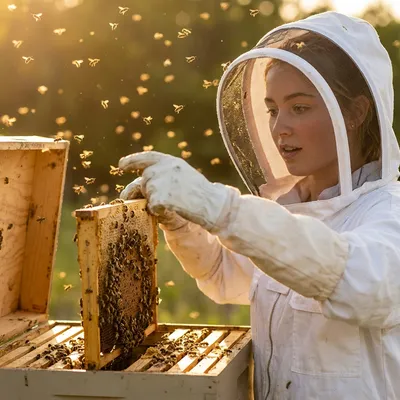
A beginner course helps you avoid rookie mistakes. You’ll learn:
- Bee anatomy and lifecycle
- Seasonal hive management
- Swarm control and disease prevention
- Varroa mite monitoring and treatment
- Feeding schedules and honey extraction
Where to find classes:
- Cornell University Pollinator Network
- Local beekeeping associations (Google “[Your City] Beekeeping Club”)
- State agricultural extension programs
- Online platforms: University webinars, YouTube tutorials, Bee Culture webinars
💡 Pro tip: Choose a course that offers hands-on experience or access to a live hive.
Join a Local Beekeeping Association
Associations are an excellent source of local insight and mentorship. Benefits include:
- Monthly meetings and workshops
- Equipment sharing (e.g. honey extractors)
- Mentorship programs for first-year beekeepers
- Updates on local regulations and foraging conditions
🧭 Start here: American Beekeeping Federation
Read and Connect
Supplement your training with books and guides:
- The Beekeeper’s Handbook – Sammataro & Avitabile
- Beekeeping for Dummies – Blackiston
- Beesource Forums – For real-time advice from seasoned keepers
Initial Costs: Detailed Breakdown ($500–$1000)
Starting from scratch costs around $600–$900 for one hive. Here’s a line-by-line breakdown:
| Item | Estimated Cost | Notes |
|---|---|---|
| Langstroth Hive Kit | $200–$300 | Includes brood boxes, supers, inner/outer covers, frames |
| Hive Stand | $20–$50 | Elevates hive off damp surfaces; DIY or pre-built |
| Bees (1 Nuc or Package) | $120–$250 | Nuc = 5-frame colony; more stable than package |
| Protective Suit & Gloves | $50–$150 | Full suit or jacket with veil; avoid used for hygiene |
| Smoker + Hive Tool + Brush | $30–$60 | Bundle often available from bee suppliers |
| Feeders + Sugar Syrup Supplies | $20–$30 | Essential for new colonies until nectar flow starts |
| Books / Journal / Misc | $25–$50 | Record-keeping and learning resources |
| Class or Club Fee | $50–$100 | May include mentor access or equipment loaning |
Total Estimated Cost (Year 1): $515–$990
🛠 Cost-saving tips:
- Buy equipment off-season (winter/early spring)
- Join a club to borrow tools (like extractors)
- Watch for second-hand hive bodies or supers (sanitize thoroughly)
Ongoing Responsibilities
Your bees will need regular attention:
| Season | Tasks |
|---|---|
| Spring | Install bees, monitor buildup, feed syrup, inspect weekly |
| Summer | Check for swarming, manage mites, add honey supers |
| Fall | Harvest honey, treat mites, reduce entrance size |
| Winter | Insulate hives (cold climates), leave enough honey stores |
Each inspection takes 30–45 minutes. City beekeepers often check hives every 7–10 days in active seasons.
⏰ Time commitment: 1–2 hours per week during spring/summer.
🐝 Sting warning: You will get stung occasionally—even with a suit. Keep epinephrine on hand if you (or a neighbor) have allergies.
Conclusion: Is Urban Beekeeping Right for You?
It might be right if you:
- Have access to outdoor space (yard, roof, terrace)
- Are willing to inspect hives regularly
- Enjoy learning biology and observing insects
- Want to support pollinator health and grow your own honey
It might not be right if:
- You or someone nearby has a serious bee allergy
- You travel frequently and can’t commit to weekly inspections
- You have no access to outdoor space or landlord approval
- Your local laws prohibit hives
Still unsure? Volunteer with a local beekeeper or community apiary before investing.
“Beekeeping is farming for introverts.” — Anonymous
Done right, urban beekeeping is a rewarding, sustainable, and surprisingly peaceful experience. With knowledge, patience, and care, your city hive can flourish—and sweeten your surroundings.